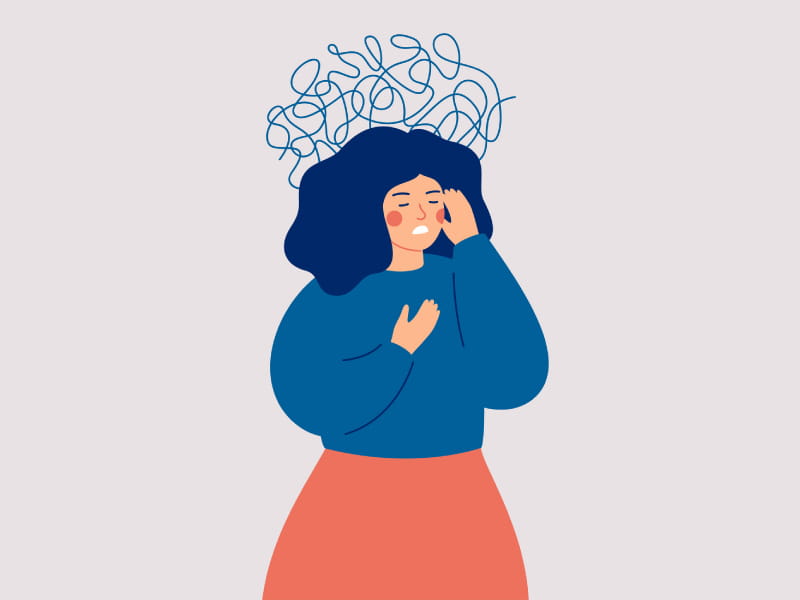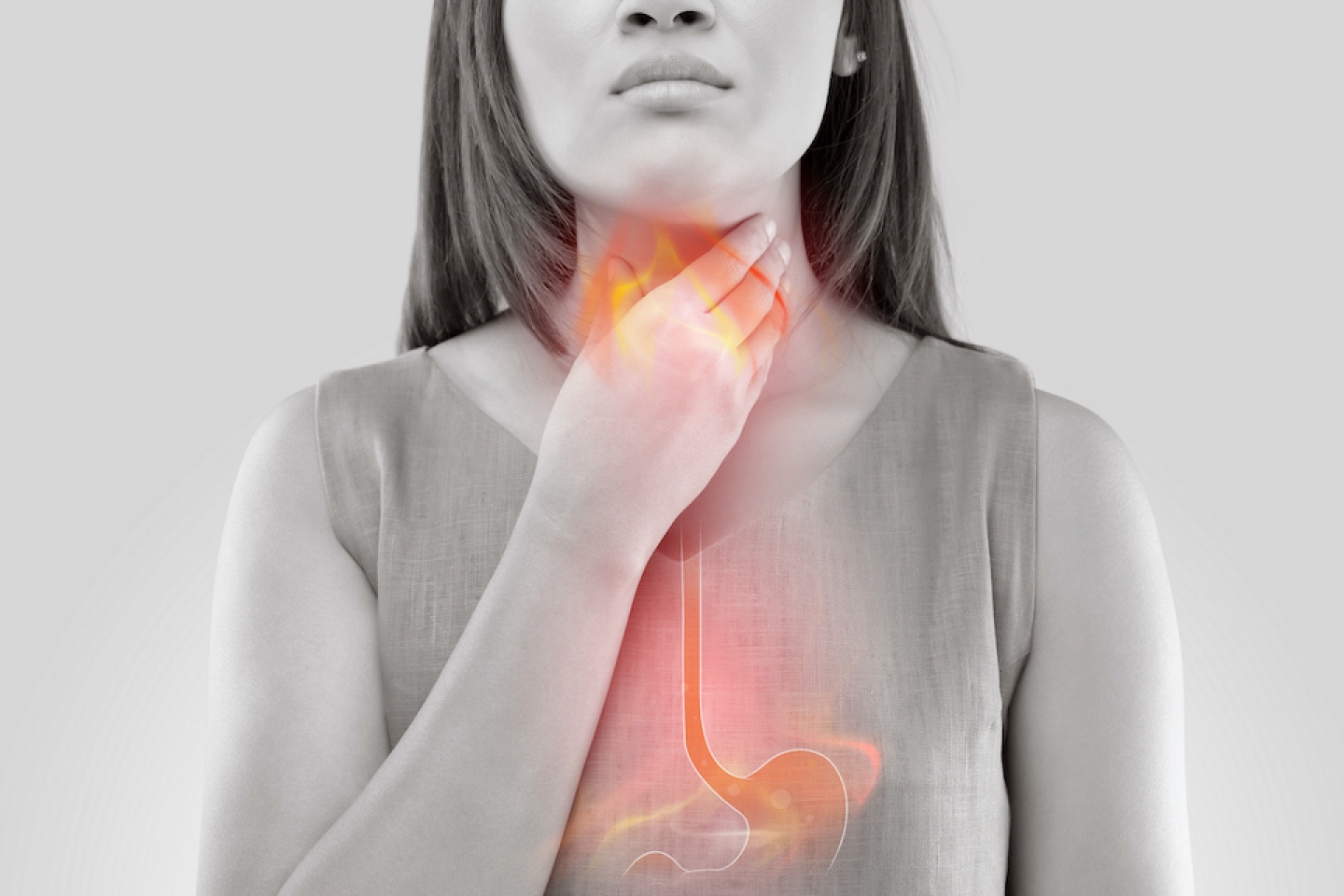





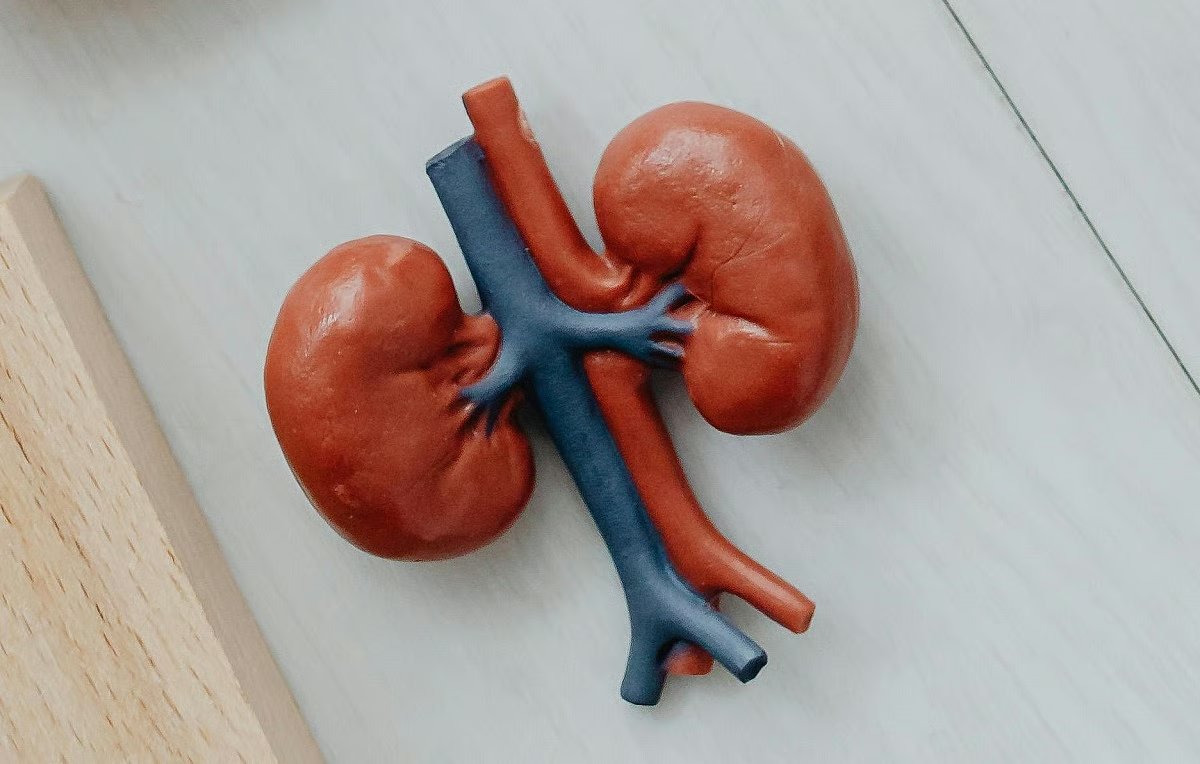
Chronic kidney disease (CKD) affects more than 800 million people worldwide, yet most don’t know they have it. Doctors call it the “silent killer” because it progresses quietly, without obvious symptoms, until the kidneys are already severely damaged. By the time signs become noticeable—fatigue, swelling, or difficulty urinating—the loss of kidney function is often irreversible.
CKD doesn’t just harm the kidneys. It affects the heart, blood vessels, nervous system, and even immune function, making it one of the most dangerous long-term diseases today. Understanding why it is so silent—and how to detect it early—can literally save your life.
.webp?tr=q-80,f-webp,w-400,dpr-2.5,c-at_max%201000w)
1. What Chronic Kidney Disease Really Is
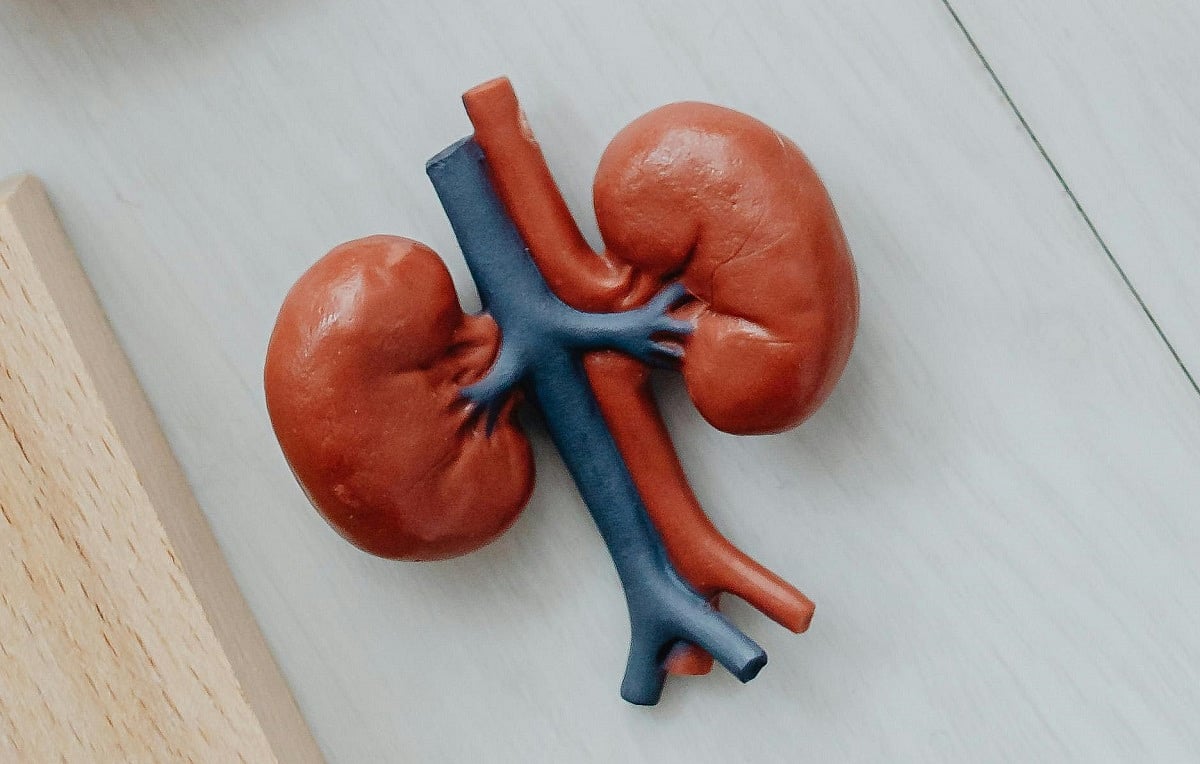
Your kidneys act as the body’s filtration system. They:
-
Remove toxins and waste
-
Balance fluids and electrolytes
-
Regulate blood pressure
-
Maintain bone and nerve health
-
Produce hormones that help create red blood cells
Chronic kidney disease happens when the kidneys lose this filtering ability over time, typically due to:
-
Diabetes
-
Hypertension
-
Long-term use of pain relievers (NSAIDs)
-
Autoimmune diseases
-
Chronic infections
-
Genetic disorders
-
Aging
The damage accumulates slowly—often over years—without causing pain or noticeable disruption to daily life.
2. Why CKD Is Called the “Silent Killer”
Reason 1: Symptoms Appear Very Late
Unlike heart attacks or lung issues, kidney damage doesn’t cause immediate discomfort. Most patients feel normal even when kidney function drops to 50–60%. Symptoms often appear only when function falls below 25–30%, and by then, significant permanent damage has occurred.
Reason 2: Symptoms Are Easy to Misinterpret
The few early signs—fatigue, dry skin, headaches, mild swelling—are vague. People usually blame them on:
-
Stress
-
Poor sleep
-
Aging
-
Overwork
Meanwhile, kidney function continues to decline.
Reason 3: Kidneys Work Even When Partially Damaged
You have two kidneys, and each one can function even when partially impaired. This creates an illusion of health. A person can feel “fine” up until the disease reaches an advanced stage.
Reason 4: High-Risk Factors Are Extremely Common
Diabetes, high blood pressure, obesity, and heart disease—all major CKD triggers—are increasingly widespread. Many people don’t realize these conditions slowly damage the kidneys every day.
Reason 5: Early CKD Isn’t Routinely Tested
Unlike blood pressure or cholesterol, kidney function is not checked unless specifically requested. Many adults go years without a basic test that could detect early problems.
3. The Devastating Impact of Untreated CKD
Chronic kidney disease is not just a kidney problem. It affects the entire body.
• Heart Disease Risk Doubles or Triples
Kidneys regulate blood pressure and electrolytes. When they fail, the heart must work harder, increasing the risk of:
-
Heart attack
-
Stroke
-
Heart failure
-
Arrhythmia
In fact, people with CKD are more likely to die from heart disease than from kidney failure.
• Dangerous Fluid Accumulation
Failing kidneys can’t remove extra water and sodium. This leads to:
-
Swelling in the legs and face
-
Lung fluid buildup (pulmonary edema)
-
High blood pressure spikes
In severe cases, fluid overload can be life-threatening.
• Toxin Buildup in the Blood
Waste that should be filtered out begins to circulate through the body, causing:
-
Nausea
-
Metallic taste
-
Persistent itching
-
Mental confusion or memory problems
-
Sleep disturbances
This is why advanced CKD patients often feel extremely ill.
• Anemia and Chronic Fatigue
Damaged kidneys produce fewer hormones required for red blood cell production.
This leads to anemia, causing:
-
Constant tiredness
-
Shortness of breath
-
Cold sensitivity
-
Poor concentration
• Bone Weakness
CKD disrupts calcium and vitamin D balance, causing brittle bones and higher fracture risk.
• Immune System Decline
CKD patients are more prone to infections and slower recovery.
If untreated, CKD eventually reaches end-stage kidney disease, requiring dialysis or kidney transplantation.

4. Early Signs You Should Never Ignore
Many people miss early CKD symptoms because they seem insignificant. But these subtle changes may indicate your kidneys are struggling:
-
Foamy or bubbly urine
-
Frequent nighttime urination
-
Persistent fatigue
-
Swollen ankles or puffy eyes
-
Dry or itchy skin
-
Reduced appetite
-
Muscle cramps
-
High blood pressure that’s hard to control
Even one or two of these signs warrant testing.
5. Who Is Most at Risk?
You should get regular kidney screenings if you have:
-
Diabetes
-
High blood pressure
-
Heart disease
-
Obesity
-
Family history of kidney disease
-
Age over 60
-
Long-term use of NSAIDs (ibuprofen, naproxen)
-
Polycystic kidney disease or autoimmune disorders
For these groups, CKD is especially silent and dangerous.
6. How CKD Is Diagnosed
A simple combination of tests can detect CKD early:
• eGFR (Estimated Glomerular Filtration Rate)
Shows how well kidneys filter blood.
• Urine Albumin Test
Detects early kidney damage before symptoms appear.
• Blood Pressure Check
Hypertension is both a cause and consequence of CKD.
Regular testing—especially yearly for high-risk groups—can catch CKD in its earliest, most treatable phases.
7. Protecting Your Kidneys: What You Can Do Now
1. Control blood sugar
Diabetes is the leading cause of CKD.
2. Maintain healthy blood pressure
Aim for below 130/80 mmHg if possible.
3. Stay hydrated
Adequate water helps kidneys filter waste more efficiently.
4. Reduce sodium
Too much salt increases kidney workload.
5. Limit NSAID use
Frequent use is linked to kidney damage.
6. Stop smoking
Smoking accelerates kidney decline.

7. Eat a kidney-friendly diet
Focus on fruits, vegetables, lean proteins, and whole grains.
Limit processed foods high in phosphorus and potassium if kidney function is already reduced.
8. Get regular checkups
Especially if you have diabetes, hypertension, or a family history of kidney disease.
Final Thoughts
Chronic kidney disease earns the name “silent killer” because it grows unnoticed until the damage is severe. But early detection changes everything—allowing people to slow, stop, or even reverse the progression of kidney decline.
If you often feel unusually tired, have swelling, or experience changes in urination, don’t ignore these warning signs.
A simple blood and urine test can protect your kidneys, your heart, and your long-term health.