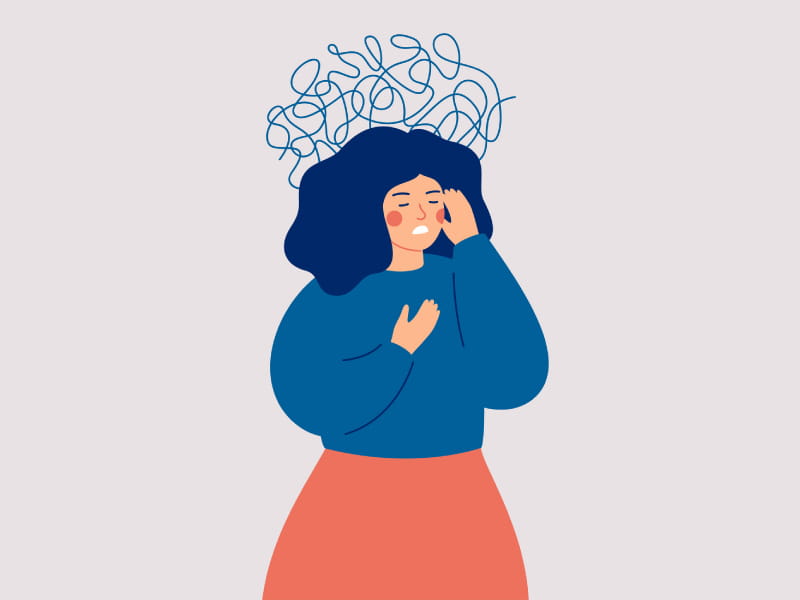






When most people think of depression, they imagine sadness, tears, or emotional outbursts. But the truth is far more subtle—and often far more dangerous. Depression doesn’t always announce itself with crying or visible distress. Instead, it quietly breaks down the body, mind, and daily functioning, often without anyone noticing.
Understanding depression as a systemic condition—not just an emotional one—is the first step toward recognizing it early, seeking help, and preventing long-term damage.
:max_bytes(150000):strip_icc()/Health-Stocksy_txp66d3773f0Kh300_Medium_4250722-496e08e2a9b94d3099ff6700ec403703.jpg)
1. Physical Fatigue That Doesn’t Improve With Rest
One of the most overlooked aspects of depression is chronic physical fatigue. People with depression often feel exhausted, even after sleeping for 8–10 hours.
Why it Happens:
-
Depression alters neurotransmitters such as serotonin and dopamine, which regulate energy and motivation.
-
Hormonal changes, including elevated cortisol, keep the body in a constant stress response, draining energy.
-
Chronic inflammation, now strongly linked to depression, contributes to persistent tiredness.
Red flag: If daily tasks feel physically exhausting, even without intense activity, this may be more than ordinary tiredness.
2. Sleep Problems That Sabotage Recovery
Depression often disturbs the body’s natural sleep cycle. Common sleep-related symptoms include:
-
Trouble falling asleep
-
Waking multiple times at night
-
Early-morning awakenings
-
Sleeping too much but still feeling unrefreshed
Sleep disruption exacerbates both emotional and physical symptoms. Over time, this creates a vicious cycle: lack of quality sleep worsens depression, and depression worsens sleep.
3. Digestive and Metabolic Changes
Depression doesn’t just affect the brain—it affects the body’s core systems, including digestion and metabolism.
Observed effects:
-
Changes in appetite (overeating or loss of appetite)
-
Digestive discomfort, bloating, or irregular bowel movements
-
Weight fluctuations, sometimes dramatic
-
Blood sugar instability due to stress hormones
Studies now show that gut health and depression are closely linked: the gut-brain axis means that inflammation, microbiome imbalance, and nutrient deficiencies can worsen depressive symptoms.

4. Pain Without a Cause
People with depression often report chronic aches and pains—headaches, back pain, joint discomfort—even when medical tests show no clear cause. This phenomenon is often referred to as psychosomatic pain.
Why it happens:
-
Depression increases sensitivity to pain signals in the nervous system
-
Stress hormones heighten inflammation and muscle tension
-
Reduced physical activity leads to weakened muscles and joint stress
If persistent pain has no medical explanation, mental health should be considered as a potential factor.
5. Cognitive Fog and Memory Lapses
Depression doesn’t just affect mood—it can impair cognitive function. Common symptoms include:
-
Difficulty concentrating
-
Poor short-term memory
-
Slower decision-making
-
Mental fatigue after minimal effort
This “brain fog” can feel like your mind is constantly wading through mud. It’s not laziness; it’s a neurological symptom of depression affecting executive function.
6. Emotional Numbness More Than Sadness
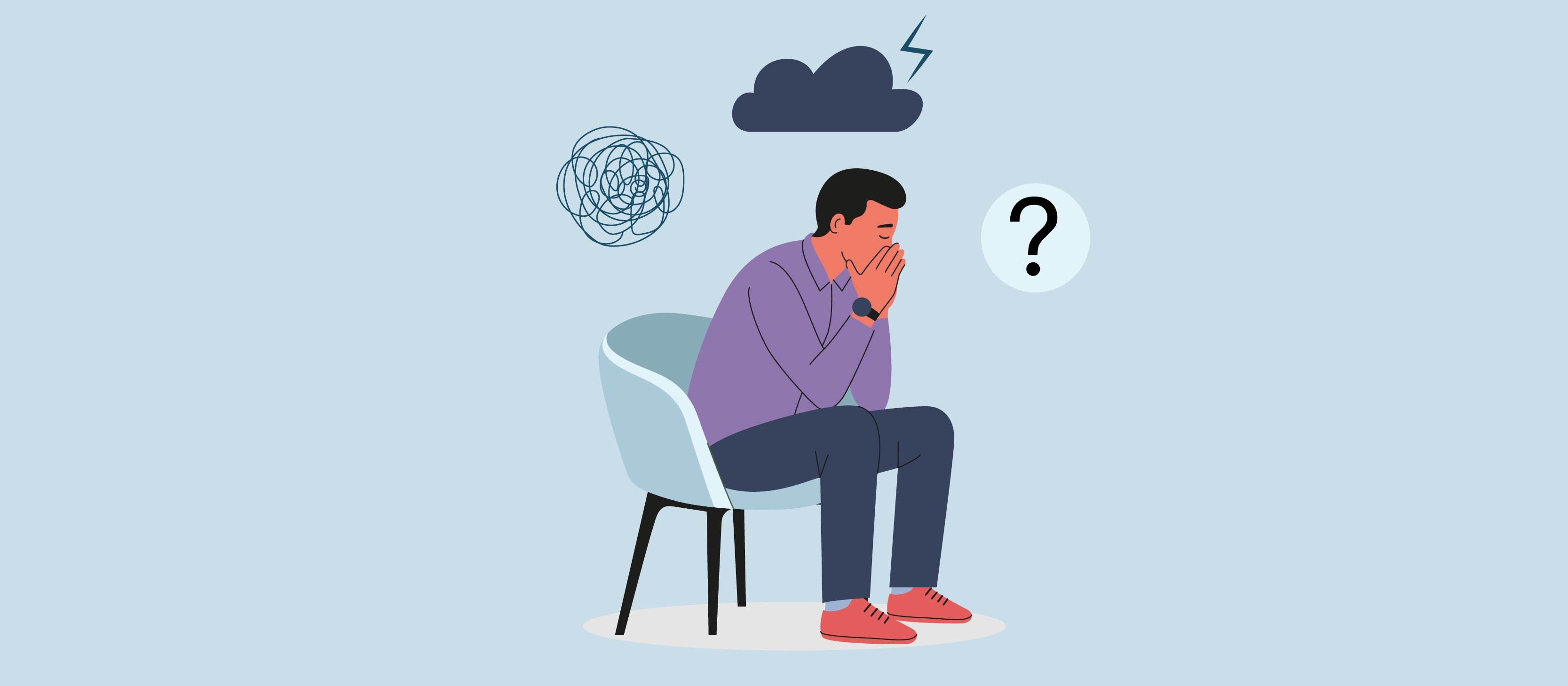
While sadness is a recognizable symptom, many people with depression actually experience emotional numbness:
-
Reduced ability to feel joy or excitement
-
Detachment from friends and family
-
Lack of motivation even for meaningful activities
-
Feeling “disconnected” from oneself
This is why depression is often invisible to outsiders: sufferers may seem “fine” on the surface, even while silently struggling.
7. Subtle Signs That Shouldn’t Be Ignored
Depression often manifests in ways that feel “normal” in a stressful modern life. Signs include:
-
Withdrawing from hobbies
-
Persistent irritability or frustration
-
Procrastination or loss of productivity
-
Frequent minor illnesses due to immune suppression
Recognizing these signs early can prevent long-term health consequences, including heart disease, chronic inflammation, and weakened immunity.
8. Why Early Recognition Matters
Ignoring depression because “it’s just sadness” is dangerous. Untreated depression can lead to:
-
Chronic fatigue and burnout
-
Accelerated aging and organ strain
-
Cardiovascular issues
-
Social isolation and relationship breakdown
-
Increased risk of substance misuse or self-harm
Early intervention—through therapy, lifestyle adjustments, stress management, and sometimes medication—can reverse many physical and emotional symptoms.
:max_bytes(150000):strip_icc()/suicidal-ideation-56a09c9b5f9b58eba4b20f99-d8c08f404f3c4d8285acaaf548d78f77.jpg)
9. What You Can Do to Protect Yourself
While professional care is essential, everyday actions help prevent depression from taking a physical toll:
• Prioritize sleep hygiene
-
Consistent sleep schedule
-
Avoid screens before bed
-
Create a calm sleeping environment
• Move your body daily
-
Even 20–30 minutes of walking reduces stress hormones
-
Strength training improves metabolism and mood
• Eat nutrient-rich foods
-
Omega-3 fatty acids, magnesium, B vitamins, and antioxidants support brain and body health
-
Avoid excessive sugar and ultra-processed foods
• Monitor your mental state
-
Journaling, mindfulness, and reflection help catch early emotional changes
-
Seek help promptly if symptoms persist longer than two weeks
• Build social support
-
Even small interactions reduce feelings of isolation
-
Talking openly with friends, family, or a therapist is protective
The Bottom Line
Depression is not simply sadness. It is a silent breakdown of the body, mind, and daily functioning. Physical fatigue, sleep disruption, digestive problems, cognitive fog, emotional numbness, and even unexplained pain are all part of the picture.
The good news? With early recognition, lifestyle interventions, and professional support, the trajectory of depression can be changed, restoring energy, clarity, and joy.
Understanding depression as a systemic condition is not just empowering—it’s life-saving. Don’t wait for visible breakdowns. Pay attention to the silent signals your body is giving you today.