






Warehouse operations are the backbone of the supply chain, ensuring that goods move efficiently from manufacturers to retailers and customers. As e-commerce grows and logistics become more complex, warehouse operators are in high demand. This career offers stability, growth opportunities, and competitive pay, even for those starting with little or no prior experience.
However, landing a warehouse position and advancing requires more than showing up—it demands preparation, skill development, and a clear understanding of career progression. This guide provides practical tips to help you excel in interviews and navigate your promotion path.

Why a Career as a Warehouse Operator Is Valuable
1. High Demand
With online shopping and global trade expanding, warehouses need reliable operators for picking, packing, shipping, and inventory management. Positions are available in retail, logistics, manufacturing, and third-party fulfillment centers.
2. Competitive Pay
-
Entry-level warehouse operator: $15–$20/hour
-
Experienced operator or forklift-certified: $20–$28/hour
-
Lead or supervisor roles: $30–$40/hour+
3. Career Growth
Operators can advance to supervisory, management, or logistics specialist roles, with the possibility of further certification in supply chain management, inventory control, or warehouse technology.
Step 1: Prepare for the Interview
Landing a warehouse position starts with a strong interview. Focus on these key areas:
1. Highlight Relevant Skills
Even entry-level applicants should emphasize:
-
Physical stamina and ability to lift items safely
-
Attention to detail in inventory and order fulfillment
-
Familiarity with warehouse equipment like forklifts or pallet jacks
-
Basic computer skills for inventory systems
2. Demonstrate Reliability
Employers value punctuality, dependability, and a strong work ethic. Use examples from previous jobs or school experiences to show consistent performance.
3. Show Safety Awareness
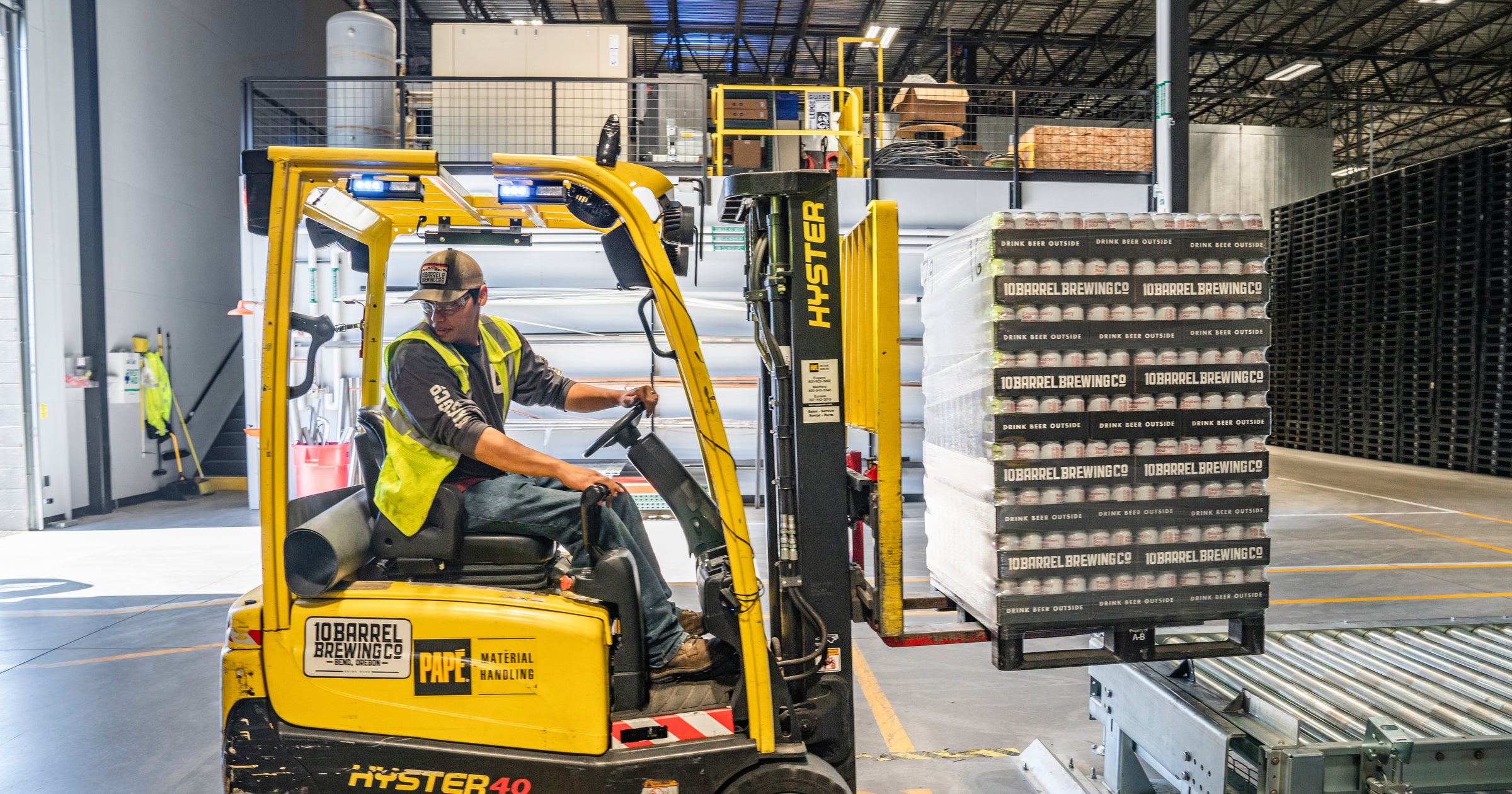
Warehouse safety is critical. Mention knowledge of safety protocols, proper lifting techniques, and willingness to follow OSHA or company guidelines.
4. Prepare for Common Questions
-
“How do you handle repetitive tasks?”
-
“Describe a time you solved a problem at work.”
-
“Are you comfortable with shift work or overtime?”
Strong preparation will set you apart from other candidates.
Step 2: Learn the Key Warehouse Skills
Once hired, mastering core skills ensures success and sets the stage for promotion.
Essential Skills
-
Inventory management and stock rotation
-
Order picking and packing accuracy
-
Equipment operation: forklifts, pallet jacks, conveyor belts
-
Basic maintenance and troubleshooting
-
Reading shipping documents and labels
-
Team collaboration and communication
Advanced Skills for Growth
-
Warehouse management software (WMS)
-
Safety inspections and compliance reporting
-
Supervisory and training skills
-
Lean logistics and efficiency optimization
Step 3: Excel in Daily Operations
Excellence on the job comes from efficiency, accuracy, and teamwork.
Tips for Daily Success
-
Double-check orders to reduce errors
-
Maintain a clean, organized workspace
-
Communicate effectively with supervisors and teammates
-
Follow company protocols for safety and handling materials
-
Seek feedback regularly to improve performance
Consistency and reliability often get noticed, paving the way for raises and promotions.

Step 4: Understand the Promotion Path
Warehouse careers offer clear progression opportunities. Here’s a typical path:
Entry-Level
-
Warehouse Operator / Picker / Packer
-
Focus on learning workflows and demonstrating reliability
Mid-Level
-
Forklift Operator / Inventory Coordinator / Team Lead
-
Handle specialized equipment and supervise small teams
Advanced
-
Warehouse Supervisor / Shift Manager
-
Responsible for operational efficiency, team management, and reporting
Specialized / Executive
-
Logistics Coordinator / Warehouse Manager / Supply Chain Analyst
-
Oversee large teams, budgets, and strategic operations
Promotion is often based on performance, certifications, and willingness to take on additional responsibilities.

Step 5: Obtain Certifications for Advancement
Certifications improve employability and increase promotion opportunities.
Recommended Certifications
-
Forklift and material handling licenses
-
OSHA safety training or first aid/CPR
-
Supply chain or warehouse management courses
-
Lean logistics or Six Sigma basics
Certifications demonstrate initiative and competence, often leading to higher pay and management roles.
Step 6: Develop Soft Skills
Technical ability alone isn’t enough. Soft skills are crucial in a collaborative warehouse environment.
Key Soft Skills
-
Communication: giving and receiving instructions clearly
-
Problem-solving: identifying and resolving workflow issues
-
Time management: meeting deadlines efficiently
-
Teamwork: supporting colleagues and sharing knowledge
-
Adaptability: handling new systems, equipment, or shifts
These skills complement technical expertise and make you a trusted employee.

Step 7: Build Your Reputation
A strong professional reputation leads to better opportunities.
-
Be reliable and punctual
-
Maintain a positive attitude under pressure
-
Help train new employees
-
Offer suggestions to improve efficiency
-
Document successes and contributions for performance reviews
Employers reward trustworthy and proactive operators with promotions and higher responsibilities.
Conclusion: From Operator to Trusted Warehouse Professional
A career as a warehouse operator is more than moving boxes—it’s about precision, teamwork, safety, and continual growth. By preparing effectively for interviews, mastering core and advanced skills, prioritizing safety, and building strong professional relationships, you can stand out and climb the career ladder.
With dedication, skill development, and strategic planning, a warehouse operator can transform an entry-level job into a long-term, stable, and rewarding career in logistics.