





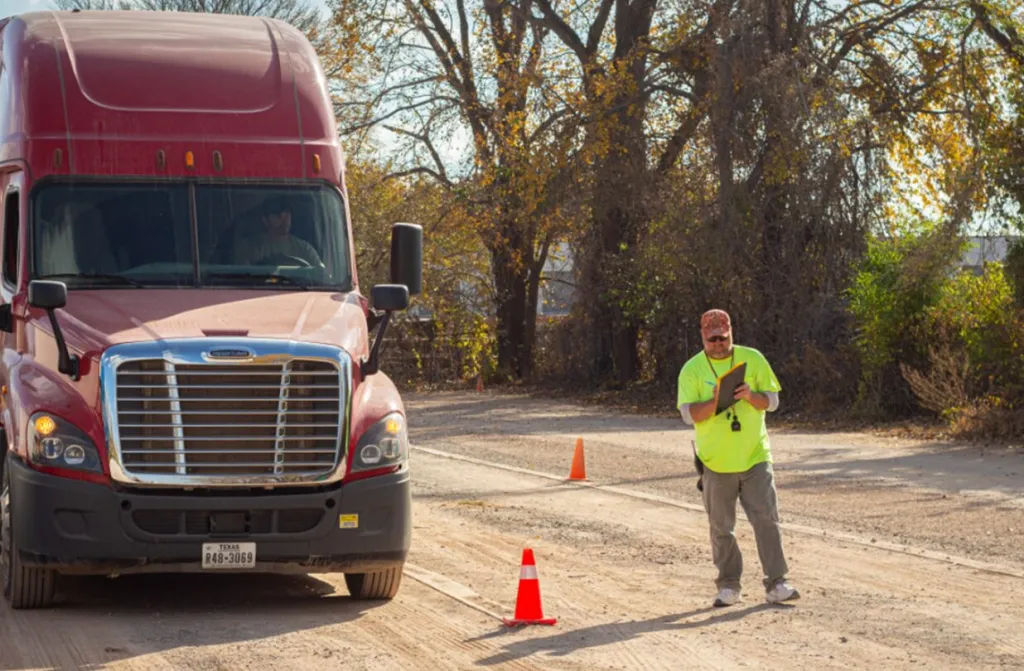
In recent years, truck driving has become one of the most stable, high-demand, and well-paid careers across the United States, Canada, the UK, and Australia. As supply chains expand, e-commerce grows, and experienced drivers retire, companies are offering sign-on bonuses, paid training, and fast-track licensing support to attract new drivers—even those with no prior experience.
If you’re looking for a secure job, steady income, and clear advancement opportunities, this guide explains how to pass your exams, get licensed quickly, and land high-paying routes faster than most beginners.

Why Truck Driving Is a High-Demand, High-Pay Career
1. A Nationwide Shortage of Drivers
According to industry associations, North America is short tens of thousands of commercial drivers every year. As older drivers retire, companies urgently need younger talent to replace them.
2. E-Commerce Growth
Online shopping has pushed delivery volume to record highs. More goods moving = more drivers needed.
3. Stable, Recession-Resistant Work
Regardless of economic conditions, food, fuel, construction materials, and medical supplies must be transported every day. Trucking remains one of the most reliable jobs in the labor market.
How Much Do Truck Drivers Earn?
Earnings depend on your license type, route, and company benefits. Here are typical ranges:
United States
-
Local Driver: $900–$1,400/week
-
Regional Driver: $1,200–$1,800/week
-
OTR (long-haul): $70,000–$105,000/year
-
Specialized loads (hazmat, tanker): $90,000–$140,000/year
Canada
-
Long-haul driver: $70,000–$120,000/year
United Kingdom
-
HGV Class 1: £40,000–£55,000/year
-
Specialized loads: £50,000–£65,000/year
Australia
-
HC/MC drivers: AUD $80,000–$120,000/year
Some companies also offer:
✔ Sign-on bonuses ($2,000–$10,000)
✔ Paid CDL/HGV training
✔ Paid lodging during training
✔ Referral bonuses
Step 1: Understand the Required Licence
Different countries have different license categories:
United States – CDL
-
CDL Class A: Long-haul and heavy trucks (highest pay)
-
CDL Class B: Straight trucks, buses, dump trucks
-
Endorsements (optional for higher pay)
-
H: Hazmat
-
T: Double/Triple trailers
-
N: Tanker
-
Canada
-
Class 1 or AZ (Ontario) for long-haul
-
Class 3 or DZ for straight trucks
United Kingdom
-
HGV Class 1 (C+E): Articulated lorries (highest pay)
-
HGV Class 2 (Category C): Rigid trucks
Australia
-
HC (Heavy Combination)
-
MC (Multi-Combination)
If you want the highest income, aim for:
CDL A / Class 1 / C+E / MC depending on your country.

Step 2: Pass the Written Test Quickly
The written test covers:
-
Traffic laws
-
Safety procedures
-
Air brake systems
-
Hazard recognition
-
Weight & load guidelines
Fast Study Method
-
Download your state or country’s CDL/HGV handbook
-
Use online practice quizzes
-
Review the same questions repeatedly until you score 85–90% consistently
-
Study road signs and weight limit tables
-
Focus on difficult sections like air brakes
Common Mistakes Beginners Make
-
Studying only once instead of reviewing daily
-
Ignoring air brake sections (which make up a large portion of the test)
-
Not doing timed practice tests
-
Memorizing instead of understanding key rules
Most beginners can pass within 7–14 days with consistent practice.
Step 3: Complete Behind-the-Wheel Training
After your written test, you must train with an approved school or employer. Training usually includes:
-
Pre-trip inspection
-
Shifting and gearbox control
-
Turning clearance
-
Backing and parking
-
Highway driving
-
Coupling and uncoupling trailers
Tip for Faster Progress
Ask trainers to let you practice backing as much as possible.
Backing is the hardest skill for beginners—and the most common reason people fail.
Pre-Trip Inspection Tip
Use a fixed order and repeat it every time:
Front → Engine → Lights → Coupling → Sides → Rear → Cabin
Consistency helps you pass on the first try.
Step 4: Pass the Road Test
Your road exam checks:
-
Smooth starts and stops
-
Lane control
-
Proper turning radius
-
Observational skills (mirrors, blind spots)
-
Backing accuracy
How to Pass on the First Attempt
-
Pretend the examiner is a fragile passenger
-
Announce your mirror checks aloud
-
Keep hands at 9 and 3
-
Don’t rush backing—slow is safe
-
If you make a mistake, correct it calmly rather than panicking
Many beginners pass after 20–40 hours of practice, depending on confidence and training quality.

Step 5: Land High-Paying Routes Faster
Once licensed, you can choose from several route types:
1. OTR (Over-the-Road) – Highest Pay
-
Cross-country
-
Long distances
-
Best for those wanting maximum earnings
2. Regional Routes
-
2–5 states or a defined region
-
More home time
-
Reliable weekly pay
3. Local Routes
-
Home daily
-
Lower pay but stable schedule
4. Specialized Hauls (Highest Earning Potential)
-
Hazmat
-
Tanker
-
Oversized loads
-
Refrigerated medical goods
If you want to maximize income fast, add endorsements like Hazmat + Tanker.
Step 6: Build a Strong Driver Profile
You’ll get better routes and higher pay if you:
-
Maintain a clean driving record
-
Stay accident-free
-
Avoid late deliveries
-
Build reliability with dispatchers
-
Learn basic truck maintenance
Remember:
Dispatchers assign high-paying routes to the most reliable drivers—not just the most experienced.

Career Growth Opportunities
Truck driving opens doors to:
-
Fleet supervisor
-
Safety trainer
-
Dispatcher
-
Owner-operator (very high earnings)
-
Logistics operations
-
Freight management
Many drivers double their income after becoming owner-operators or hauling specialized freight.
Final Thoughts: You Can Become a Professional Driver Faster Than You Think
With rising demand, accessible training, and strong income potential, truck driving is one of the most practical careers for beginners looking for stability and higher earnings.
By following each step—studying smart, practicing consistently, and getting the right endorsements—you can pass your exams quickly and qualify for high-paying routes in weeks, not years.