





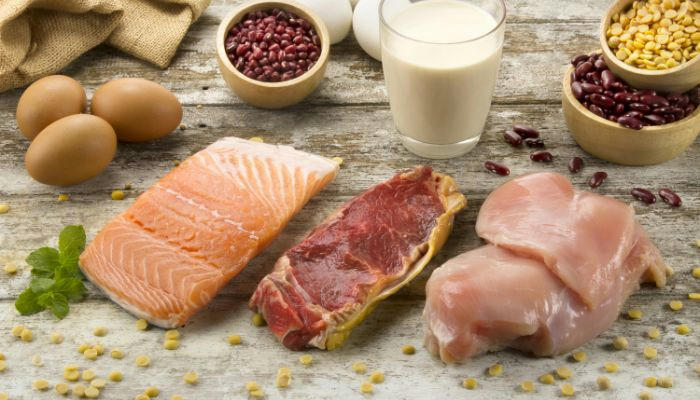
Aging is an inevitable part of life—but how we age is largely influenced by the choices we make. Science now confirms that nutrition plays a powerful role in determining how gracefully we age, both physically and mentally. While genetics set the foundation, the nutrients we consume can either accelerate or slow down aging processes at the cellular level.
From supporting heart and brain function to maintaining muscle mass and radiant skin, certain vitamins, minerals, and antioxidants are especially vital as we get older. In this article, we’ll explore the most important nutrients for healthy aging, what they do, where to find them, and how to make sure your body gets enough of each.
1. Vitamin D: The “Sunshine Vitamin” for Strong Bones and Immunity
Vitamin D plays a crucial role in maintaining bone density and supporting immune health—two areas that tend to weaken with age. According to the National Institutes of Health (NIH), nearly 40% of adults over 60 are deficient in vitamin D due to reduced skin synthesis and limited sun exposure.
Why It Matters:
Vitamin D helps your body absorb calcium, preventing osteoporosis and fractures. It also supports muscle strength and helps regulate mood, which may reduce the risk of depression in older adults.
Best Sources:
-
Sunlight (10–30 minutes of midday exposure a few times a week)
-
Fatty fish like salmon, tuna, and mackerel
-
Fortified foods (milk, orange juice, cereals)
-
Supplements (recommended if levels are below 30 ng/mL)
Expert Tip:
Dr. Emily Chan, a geriatric nutritionist at UCLA, advises, “Pairing vitamin D with magnesium and vitamin K2 ensures proper calcium absorption and prevents arterial calcification.”
2. Omega-3 Fatty Acids: For Heart, Brain, and Joint Health
Omega-3s—particularly EPA and DHA—are essential fats that support cardiovascular health, cognitive function, and inflammation control. Studies published in the Journal of the American Heart Association show that individuals with higher omega-3 levels have a lower risk of heart disease and age-related cognitive decline.
Why It Matters:
Omega-3s keep arteries flexible, reduce triglycerides, and protect against heart arrhythmias. They also nourish brain cells, helping preserve memory and mental clarity as we age.
Best Sources:
-
Fatty fish (salmon, sardines, herring)
-
Flaxseeds, chia seeds, and walnuts
-
Fish oil or algal oil supplements (for vegetarians)
Expert Insight:
Regular omega-3 intake has also been linked to improved joint mobility and reduced arthritis symptoms in adults over 50.
3. Calcium: The Building Block for Strong Bones
Calcium is essential for maintaining bone strength and preventing osteoporosis, a condition that affects over 10 million Americans, mostly postmenopausal women. However, excessive calcium intake through supplements can be risky—balance is key.
Why It Matters:
Beyond bones, calcium also supports nerve transmission, muscle contraction, and heart rhythm regulation.
Best Sources:
-
Low-fat dairy (yogurt, milk, cheese)
-
Leafy greens (kale, broccoli, bok choy)
-
Fortified plant milks and tofu
Pro Tip:
Calcium works best when taken with vitamin D and magnesium, which enhance absorption and utilization.
4. Antioxidants: The Frontline Defense Against Aging Cells
Aging is partly driven by oxidative stress—damage caused by free radicals that accumulate over time. Antioxidants neutralize these harmful molecules, protecting cells, tissues, and DNA.
Key Antioxidants for Aging Well:
-
Vitamin C: Strengthens the immune system and boosts collagen for youthful skin.
-
Vitamin E: Protects cell membranes from oxidative damage.
-
Selenium and Zinc: Support immune defense and repair mechanisms.
-
Polyphenols: Found in berries, dark chocolate, and green tea, they fight inflammation and improve blood flow.
Best Sources:
Colorful fruits and vegetables (blueberries, spinach, red peppers), nuts, seeds, and green tea.
Expert Comment:
Dr. Andrew Miller, a longevity researcher, notes, “A diet rich in antioxidants can reduce inflammation markers and slow biological aging at the molecular level.”
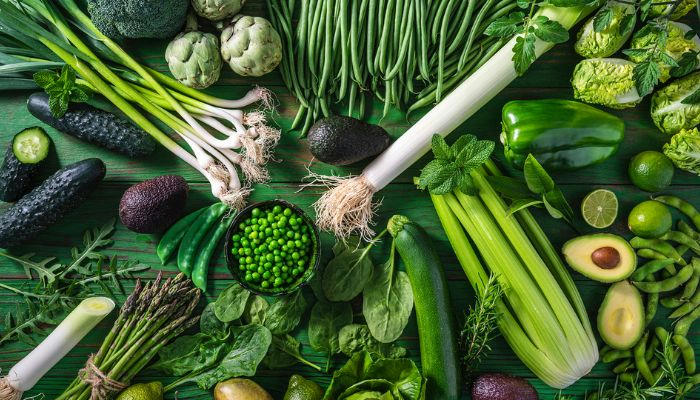
5. Protein: The Foundation of Strength and Vitality
As we age, the body naturally loses muscle mass—a process called sarcopenia. Protein intake becomes critical for preserving muscle, metabolism, and mobility. Unfortunately, many older adults consume less protein than they need.
Why It Matters:
Protein provides amino acids for tissue repair, hormone production, and immune support. Maintaining adequate protein helps older adults stay strong, independent, and energetic.
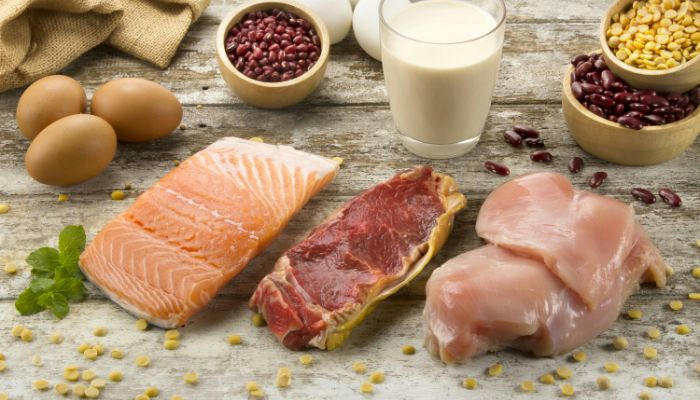
Best Sources:
-
Lean meats, poultry, and fish
-
Eggs and dairy
-
Legumes, quinoa, and soy products
Recommended Intake:
Experts suggest 1.0–1.2 grams of protein per kilogram of body weight per day for adults over 50. Spacing protein evenly across meals enhances absorption and muscle synthesis.
6. B Vitamins: Energy, Brain, and Heart Support
B vitamins—especially B6, B12, and folate—are vital for metabolism, red blood cell formation, and neurological function. Deficiencies are common among older adults, particularly for vitamin B12, due to reduced absorption with age.
Why It Matters:
Low B12 and folate levels are linked to memory decline, fatigue, and elevated homocysteine levels, which increase heart disease risk.
Best Sources:
-
Eggs, lean meats, and fish
-
Leafy greens and legumes (for folate)
-
Fortified cereals and nutritional yeast
Pro Tip:
If you’re over 60 or follow a vegetarian/vegan diet, a B-complex supplement or B12 injection may be necessary to maintain optimal levels.
7. Magnesium: The Underrated Mineral of Longevity
Magnesium supports more than 300 enzymatic reactions in the body, including muscle function, nerve transmission, and blood pressure regulation. Low magnesium is linked to muscle cramps, fatigue, and insulin resistance.
Why It Matters:
It helps keep the heart rhythm steady, reduces inflammation, and supports deep sleep—an essential factor in healthy aging.
Best Sources:
-
Nuts (almonds, cashews)
-
Whole grains, avocados, and bananas
-
Dark leafy greens
Expert Insight:
Many people don’t realize that magnesium also plays a crucial role in vitamin D metabolism, making it an indispensable partner nutrient.
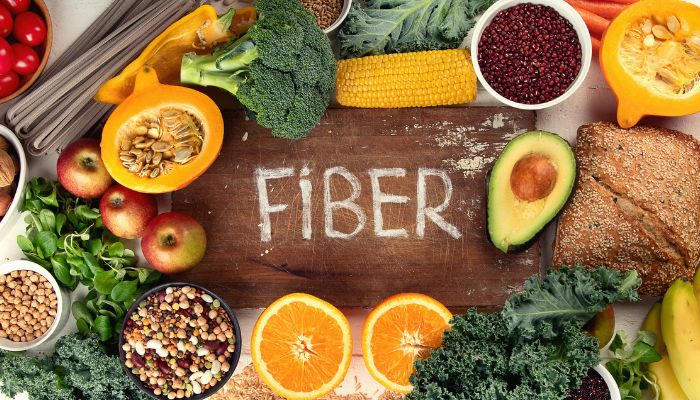
8. Fiber: The Key to Gut and Heart Health
As digestion slows with age, fiber becomes increasingly important for maintaining regularity and supporting gut microbiome health. A healthy gut is closely linked to stronger immunity and lower inflammation.
Why It Matters:
Fiber lowers cholesterol, balances blood sugar, and helps maintain a healthy weight—all vital for longevity.
Best Sources:
-
Whole grains, oats, and barley
-
Fruits and vegetables
-
Legumes like lentils and beans
Recommended Intake:
Men should aim for 30–38 grams daily, while women need 21–25 grams. Gradually increase fiber intake to prevent bloating.
Conclusion: Nourishing Longevity from Within
Healthy aging isn’t about miracle pills or restrictive diets—it’s about consistency and balance. By fueling your body with nutrient-rich foods, you support every system that keeps you active, sharp, and resilient as the years go by.
A diet abundant in vitamin D, omega-3s, antioxidants, protein, B vitamins, magnesium, and fiber creates the foundation for vitality and longevity. Pair that with regular exercise, quality sleep, and stress management, and you’ll have a powerful formula for aging gracefully.
“The best anti-aging strategy is not found in a bottle—it’s built every day on your plate.”