





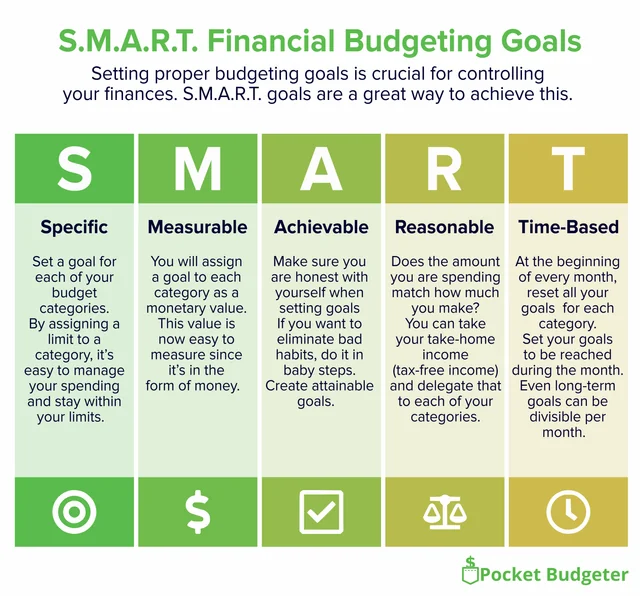
How to Build a Smart Monthly Budget That Actually Works — it’s one of the most important financial skills you can learn today. Many people start budgeting with good intentions but quickly give up because it feels restrictive or confusing. The problem isn’t with you — it’s with the system.
A smart monthly budget is designed to be flexible and realistic. It allows you to manage your money, reduce financial stress, and still enjoy life. This guide will teach you how to create a budget that truly works for your lifestyle.

Step 1: Understanding How to Build a Smart Monthly Budget That Actually Works
Before allocating numbers, you must understand your current financial situation. Awareness is the foundation of personal finance management.
Track and Categorize Your Spending
-
Gather Your Data: Review your last 3 months of bank statements and receipts.
-
Categorize Everything: Group transactions into categories like Housing, Food, and Transportation.
-
Calculate Averages: Determine your true monthly spending to create a realistic budgeting strategy.
If you need help organizing your data, the Consumer Financial Protection Bureau (CFPB) offers free downloadable budgeting worksheets to get started.
Define Your Financial Goals
Your budget only works if it serves your “why.”
-
Short-Term Goals: Build an emergency fund, pay off credit card debt, or save for a vacation.
-
Long-Term Goals: Save for a home, invest for retirement, or fund education.
💡 Automate savings immediately after payday. Treat it as a mandatory expense, not an optional one.

Step 2: Smart Strategies to Build a Monthly Budget That Works
Once you’ve got clarity, it’s time to build a system that works in real life.
1. Follow the 50/30/20 Rule
This simple structure helps balance spending and saving:
-
50% Needs: rent, groceries, bills, transportation
-
30% Wants: dining out, hobbies, streaming subscriptions
-
20% Savings & Debt: savings, investments, and extra debt payments
The U.S. Department of Labor’s money management guide also supports the 50/30/20 principle as a solid starting point for long-term planning.
Use the rule as a flexible guide — adjust it to match your goals and income.
2. Plan for Non-Monthly Expenses
Unexpected expenses are often the reason people abandon their budgets.
Create sinking funds for annual or quarterly costs like car repairs, insurance, or holidays.
Divide the yearly total by 12 and set that amount aside monthly. You’ll thank yourself later.
3. Practice Zero-Based Budgeting
Zero-Based Budgeting (ZBB) ensures every dollar has a job:
Income – Expenses = 0.
This method improves spending awareness and makes your monthly budget plan intentional. Include your savings and debt repayment as expenses — not afterthoughts.
4. Schedule Weekly “Money Check-Ins”
Spending just 15 minutes each week to review your progress helps you stay on track.
If you overspend in one category, adjust others instead of giving up entirely.
Budgeting isn’t about perfection — it’s about persistence.
This habit keeps your smart monthly budget alive and flexible.
5. Automate Your Budgeting Process
Automation helps maintain consistency.
-
Use Budgeting Tools: Apps like YNAB, EveryDollar, or Mint can track spending automatically.
-
Automate Transfers: Schedule savings, debt payments, and bill payments right after payday.
Automation makes money-saving habits effortless.

Step 3: Optimize and Improve Your Smart Monthly Budget
Once your budget is running smoothly, focus on continuous improvement.
Audit Big Expenses
Housing and transportation take up the majority of most people’s income. Look for ways to reduce rent, refinance loans, or use public transportation.
Cancel or Pause Unused Subscriptions
Revisit your digital subscriptions regularly. Cancel any that don’t add value — this quick fix can free up hundreds per year.
Negotiate Lower Bills
Call your phone or internet provider annually and ask for loyalty discounts or new customer rates.
FAQ: How to Build a Smart Monthly Budget That Actually Works
Q1: How long until my budget feels natural?
Usually about 3 months. Once you consistently track and review, it becomes second nature.
Q2: Should I use cash or cards for spending?
It depends on your discipline. Cash is great for visual control; cards are fine if you track every expense and pay them off monthly.
Q3: What if I overspend?
Rebalance your budget immediately by adjusting another category. Flexibility keeps your smart monthly budget functional.
Final Thoughts
Learning how to build a smart monthly budget that actually works can completely transform your financial life. It’s not about saying “no” — it’s about saying “yes” to what truly matters.
Budgeting gives you clarity, control, and confidence. Start small, review regularly, and remember: your budget should empower you, not restrict you.
Disclaimer:
This article is for informational purposes only and should not replace professional financial advice. Always consult a certified financial expert before making significant money decisions.