




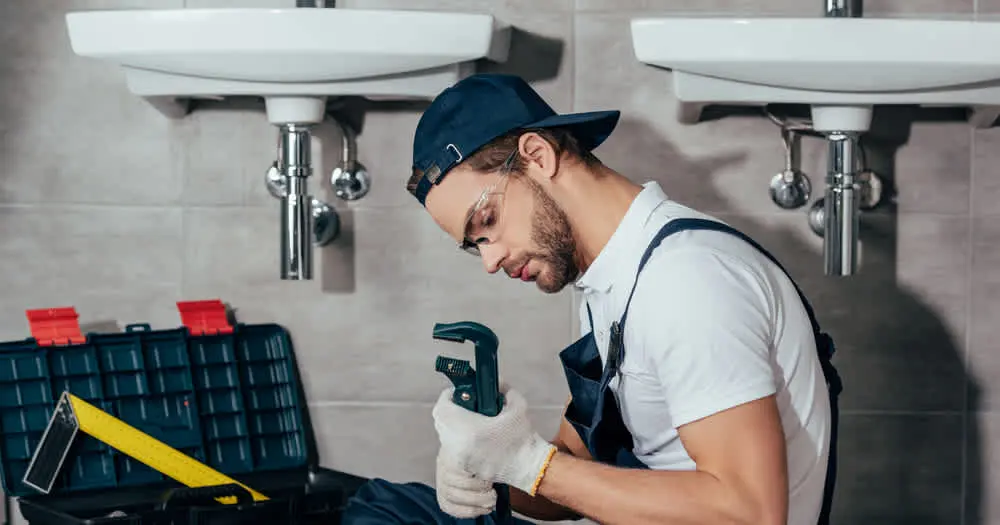
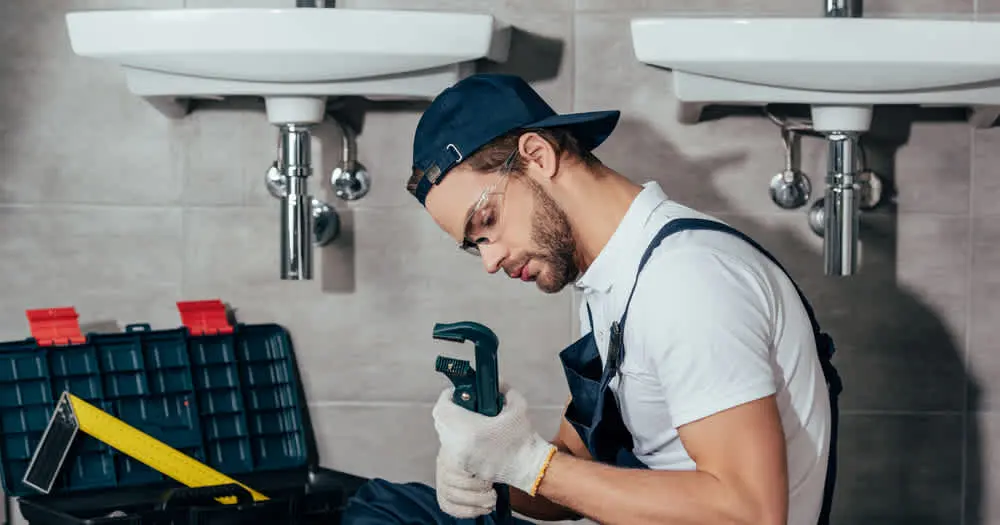
Plumbing is one of the most reliable and in-demand skilled trades worldwide. From residential repairs to commercial installations, plumbers are essential for maintaining safe water systems, drainage, and heating solutions. With a shortage of skilled professionals, companies now offer apprenticeships, paid training, and clear pathways for career growth—even for those starting with no experience.
This guide will walk you through the essential workflow skills, on-the-job practices, and client communication strategies that separate good plumbers from exceptional ones.
Why Plumbing Remains a Stable and High-Demand Career
1. Constant Demand
Every building needs plumbing—whether installing pipes in a new house, fixing a burst pipe, or maintaining commercial systems. The Bureau of Labor Statistics predicts plumbing jobs will grow 5% from 2022–2032, faster than the average for all occupations.
2. Good Earning Potential
-
Entry-level plumber: $15–$25/hr
-
Licensed journeyman: $25–$40/hr
-
Specialized plumbers (gas, HVAC integration, or industrial): $50–$70/hr+
Specialized certifications and client trust can dramatically increase income.
3. Career Growth
From apprentice to master plumber, or even business owner, the career ladder is clear and attainable with training, skill, and professionalism.
Step 1: Master the Plumbing Workflow
Effective plumbing is not just about technical skill—it’s about understanding workflow and efficiency. Key steps include:
1. Assessment and Diagnosis
-
Inspect the problem: leaks, clogs, pipe corrosion, or faulty fixtures
-
Use tools like pipe cameras or moisture meters for precise diagnosis
-
Plan repair or replacement before starting
2. Material and Tool Preparation
-
Gather necessary pipes, fittings, seals, and valves
-
Ensure wrenches, cutters, drills, and testing tools are ready
-
Organize tools in your work vehicle for quick access
3. Execution
-
Follow correct installation or repair techniques
-
Maintain pipe alignment and secure fittings properly
-
Check for leaks and pressure stability after installation
4. Testing and Verification
-
Conduct water pressure and flow tests
-
Verify system integrity and functionality
-
Confirm that all valves and safety mechanisms work correctly
5. Clean-Up and Documentation
-
Remove debris, packaging, and leftover materials
-
Document the job, materials used, and any follow-up recommendations
-
Leave the work area safe and tidy
Following a structured workflow improves efficiency and reduces mistakes, saving time for both plumber and client.
Step 2: Learn Core Plumbing Skills
Every successful plumber needs both foundational and specialized skills:
Foundational Skills
-
Pipe cutting and threading
-
Joining techniques: soldering, welding, compression, and push-fit
-
Reading blueprints and building plans
-
Leak detection and pressure testing
-
Safe use of plumbing tools and equipment
Specialized Skills
-
Gas line installation and repair (requires certification)
-
Water heater installation and maintenance
-
Sewer and septic system management
-
Backflow prevention
-
HVAC and hydronic heating integration
Starting with the basics ensures a strong foundation for specialized work later.
Step 3: Master Client Communication
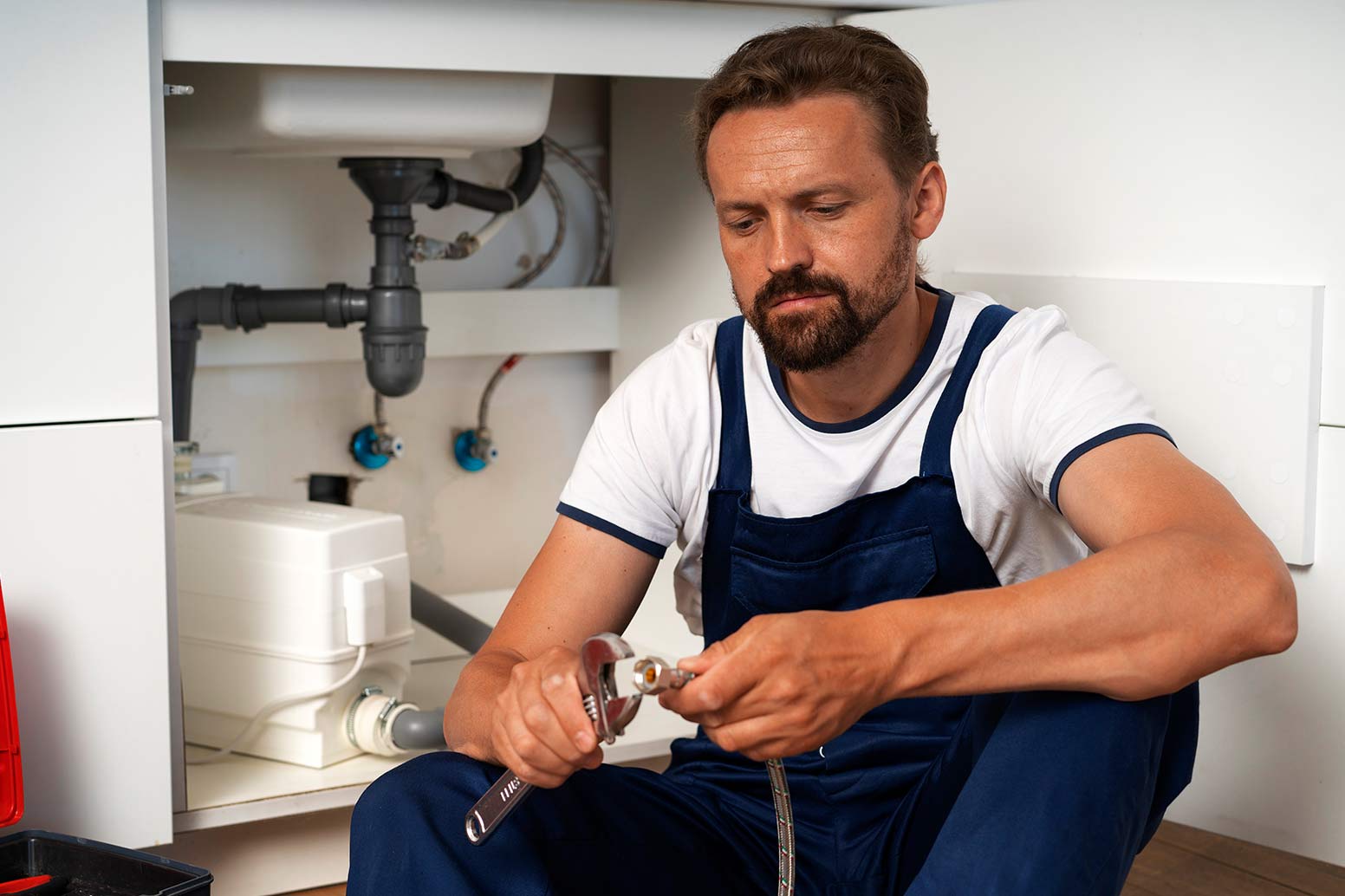
Technical skill alone does not make a great plumber. Customer interaction is equally important.
1. Clear Explanations
-
Describe the problem and solution in simple terms
-
Avoid technical jargon unless the client requests it
2. Transparent Pricing
-
Provide estimates upfront
-
Explain why certain materials or methods are needed
-
Avoid hidden fees—trust builds repeat business
3. Professionalism
-
Arrive on time
-
Wear clean, branded uniforms if possible
-
Respect the client’s home or business space
4. Follow-Up
-
Offer maintenance tips
-
Schedule optional check-ups for complex systems
-
Provide contact information for emergencies
Strong communication can differentiate a competent plumber from a highly recommended one.
Step 4: Build Safety Awareness
Plumbing can involve risks including hot water burns, chemical exposure, and gas leaks. Safety protocols include:
-
Always wear gloves, goggles, and protective clothing
-
Turn off water and gas before repairs
-
Follow OSHA or local safety standards
-
Use ladders, scaffolding, and confined-space precautions correctly
-
Keep first aid kits and emergency numbers handy
A plumber who prioritizes safety protects themselves and the client, enhancing reputation and reliability.
Step 5: Obtain Certifications and Licensing
Most regions require certification for higher pay and complex work:
United States
-
Journeyman plumber license
-
Master plumber license
-
Specialty endorsements (gas, medical plumbing, backflow)
Canada
-
Red Seal certification for interprovincial recognition
-
Provincial licenses for gas, water, or pipefitting
United Kingdom
-
City & Guilds Level 2/3 in Plumbing and Heating
-
Gas Safe registration (for gas work)
-
NVQ Level 2 or 3 in Plumbing
Australia
-
Certificate III in Plumbing
-
Gas fitting or roof plumbing endorsements
Certifications not only open doors to higher pay but also allow you to take on larger commercial projects.

Step 6: Tips for Success and Career Growth
-
Apprenticeship is key
-
Work under an experienced plumber to learn real-world problem-solving.
-
-
Stay updated
-
Plumbing codes and technologies evolve; continue education.
-
-
Network with suppliers and contractors
-
Builds credibility and access to specialized projects.
-
-
Document your work
-
A portfolio of completed projects demonstrates skill to future employers or clients.
-
-
Consider business ownership
-
Many plumbers transition from journeyman to running their own company, multiplying earning potential.
-
Conclusion: Plumbing Is Both Skill and Service
A great plumber blends technical expertise, structured workflow, safety, and excellent client communication. Even beginners with no experience can start with apprenticeships, build hands-on skills, earn certifications, and advance quickly into high-paying routes.
By mastering workflow essentials and prioritizing client communication, you don’t just fix pipes—you build trust, repeat business, and a long-lasting career in one of the most stable trades available.