





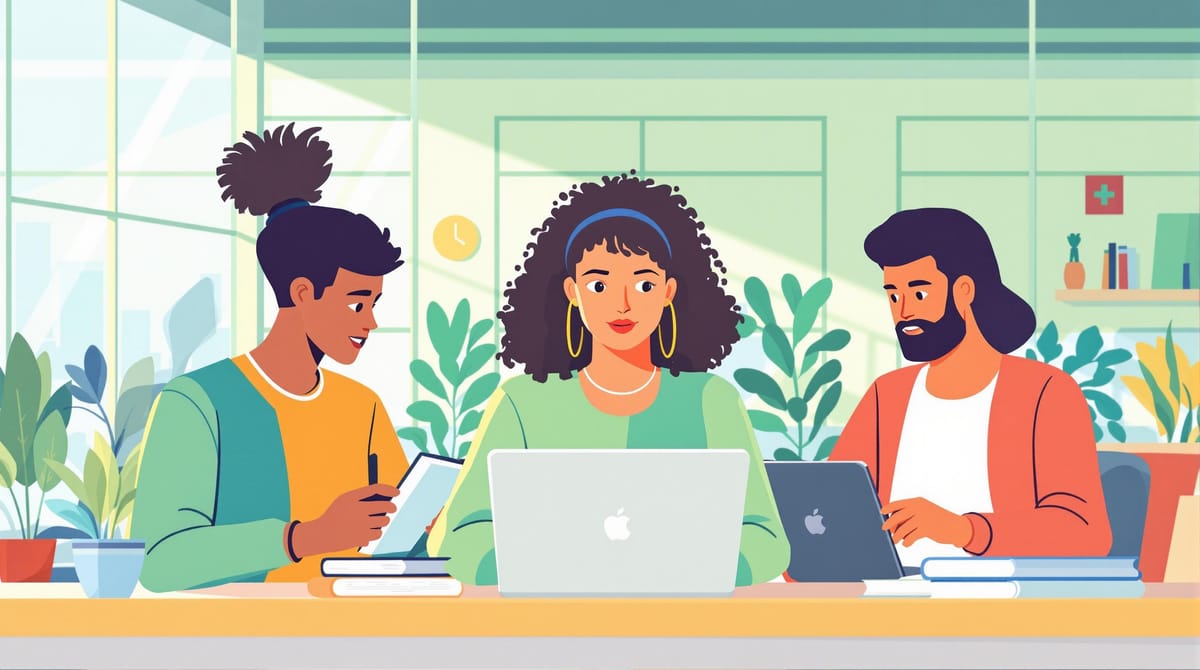
In today’s fast-changing world, information is everywhere — on your phone, laptop, TV, and even the advertisements you scroll past without noticing. Yet paradoxically, the easier information becomes to access, the harder it feels to keep up. Many people experience the pressure of constant updates, new skills, and rapidly evolving industries, leading to a sense of anxiety and falling behind.
But here’s the truth: lifelong learning isn’t about consuming more information — it’s about learning smarter, with intention and purpose. In an era of information overload, the ability to filter, focus, and continuously adapt has become one of the most valuable competitive advantages.
This article explores how lifelong learning really works today, why it matters, and how you can build habits that keep you sharp, confident, and future-ready.
1. Why Lifelong Learning Matters More Than Ever
A generation ago, people could learn one profession and rely on it for decades. Today, industries shift every 2–5 years. Skills become outdated quickly, and even stable careers demand ongoing upskilling.
Here’s why lifelong learning is essential:
-
Automation and AI are reshaping jobs. Repetitive tasks are disappearing, while roles requiring analysis, creativity, and adaptability are rising.
-
Employers now value learners over experts. Companies look for flexible thinkers who can grow, not people who rely on outdated knowledge.
-
The most successful people invest in themselves continuously. They adapt faster, spot opportunities earlier, and remain competitive even during uncertainty.
Lifelong learning is no longer optional — it’s survival.
2. The Real Challenge: Information Overload
Having unlimited access to information feels empowering, but it comes with a hidden cost: cognitive overwhelm.
You may notice signs like:
-
Constantly starting courses but never finishing
-
Saving dozens of articles you never read
-
Feeling “behind” because others seem to know more
-
Jumping between skills without direction
This isn’t a lack of discipline — it’s a natural response to too much input. The brain struggles to turn scattered information into meaningful knowledge without structure.
3. The Key Skill of the Future: Learning How to Learn
Instead of absorbing everything, top performers master meta-learning — understanding how they learn best.
This shifts the focus from:
-
Consuming → to processing
-
Memorizing → to understanding
-
Collecting information → to building skills
Effective learners don’t chase every trend. They choose what aligns with their goals, then go deep.

4. How to Become a Lifelong Learner Without Burning Out
A. Start With a Clear Learning Goal
Before you learn anything, ask:
-
What problem am I trying to solve?
-
What skill will bring the biggest improvement to my life or career?
-
Is this something I want, or something that looks impressive?
Learning becomes easier when the purpose is meaningful.
B. Learn in Small, Consistent Batches
Trying to study for hours creates burnout. Instead:
-
Learn 20–30 minutes a day
-
Review regularly
-
Apply immediately
Small daily learning compounds into long-term expertise.
C. Replace Passive Consumption With Active Practice
Watching videos ≠ learning. Reading books ≠ mastery.
To truly grow:
-
Write what you learned
-
Teach someone else
-
Apply a concept to your job
-
Build a small project
Active learning helps your brain integrate information instead of forgetting it in hours.
D. Curate Information Like a Professional Editor
The real skill today is filtering.
Try:
-
Unfollowing noisy accounts
-
Limiting how many newsletters you subscribe to
-
Organizing your digital notes
-
Choosing one main resource per topic
Less information, more clarity.
5. The Most Effective Learning Sources Today
Here’s what makes a learning method truly valuable:
Books
Still the most efficient way to gain structured knowledge.
Online Courses
Best for learning step-by-step skills and getting practical examples.
Mentorship
Fastest method for real-world insights and career growth.
Communities & Forums
Great for solving problems and gaining peer support.
Hands-On Experience
The only method that builds confidence and real competence.
You don’t need all of them — just choose the ones that match your goals.

6. Build a Learning System That Works for You
A strong learning system prevents overwhelm and creates sustainable growth.
Your system should include:
-
A learning schedule (even 10 minutes counts)
-
A note-taking method (digital or physical)
-
A project or real-world application
-
Regular reflection
-
A list of priority skills
Think of it as your personal roadmap to improvement.
7. Stay Competitive by Learning Adaptability, Not Just Skills
The most valuable competencies today are not technical — they’re cognitive and emotional.
High-impact skills include:
-
Critical thinking
-
Communication
-
Problem-solving
-
Digital literacy
-
Emotional intelligence
-
Creativity
-
Time management
These skills make you flexible and irreplaceable no matter how industries evolve.
8. Overcoming Common Barriers to Lifelong Learning
“I don’t have time.”
Start with 10 minutes a day. Consistency beats intensity.
“I don’t know what to learn.”
Choose skills that improve your job, relationships, or future opportunities.
“I forget what I learn.”
Use active recall, spaced repetition, and real-world practice.
“I feel behind.”
Everyone feels this way in the information age. Focus on progress, not perfection.

9. Lifelong Learning Isn’t a Race — It’s a Mindset
You don’t need to become an expert in everything.
You don’t need to read 100 books a year.
You don’t need to compete with social media “high achievers.”
True lifelong learning is:
-
curiosity over pressure
-
self-improvement over comparison
-
depth over noise
-
consistency over quick fixes
The most competitive people aren’t the ones who know the most — but the ones who learn continuously, adapt quickly, and stay curious.
Final Thoughts: Stay Curious, Stay Relevant
In a world overflowing with information, your greatest advantage is not how much you know, but how well you learn.
By setting clear goals, filtering out noise, practicing intentionally, and cultivating curiosity, you can stay confident, competitive, and future-ready — no matter how fast the world changes.
Lifelong learning isn’t just a strategy.
It’s a lifestyle that keeps you growing, evolving, and moving forward.