





For decades, high blood pressure—hypertension—was viewed as a condition that affected mainly older adults. Today, research tells a very different story. In the U.S. alone, 1 in 4 adults aged 20–39 already has elevated blood pressure, and many don’t even know it. Even more concerning is that early-stage hypertension in young people often goes completely unnoticed—until it silently causes damage.
Why is hypertension appearing earlier, and how can you tell if you’re already in the early stage? Here’s what the latest science reveals.

1. The Silent Shift: Why Young Adults Are Developing Hypertension
Hypertension is rising fastest among people under 45. This trend didn’t happen randomly—researchers point to several major lifestyle and environmental changes over the last 20 years.
• Chronic Stress Levels Are Higher Than Ever
Young adults face unprecedented stress from:
-
Academic pressure
-
Rising living costs
-
Unstable job markets
-
Constant digital stimulation
Stress triggers repeated spikes in cortisol and adrenaline—chemicals that raise blood pressure and keep it elevated for long periods.
• Sedentary Lifestyles Are Now the Norm
Remote work, long hours of screen use, and minimal daily movement reduce blood vessel flexibility and weaken the cardiovascular system.
Studies show that even two hours of continuous sitting can temporarily increase blood pressure.
• High-Sodium, Highly Processed Diets
Fast food, packaged meals, and restaurant dishes often contain 2–3 times the recommended daily sodium intake, which puts constant pressure on blood vessels.
• Poor Sleep Quality in Younger Generations
Sleep deprivation elevates blood pressure the very next day. Repeated over months or years, it becomes a long-term risk factor.
2. Early-Stage Hypertension Is Easy to Miss—Here Are the Signs
Most young adults with elevated or early-stage hypertension have zero obvious symptoms. That’s why it’s known as a “silent killer.”
But there are subtle signals your body might already be giving you:
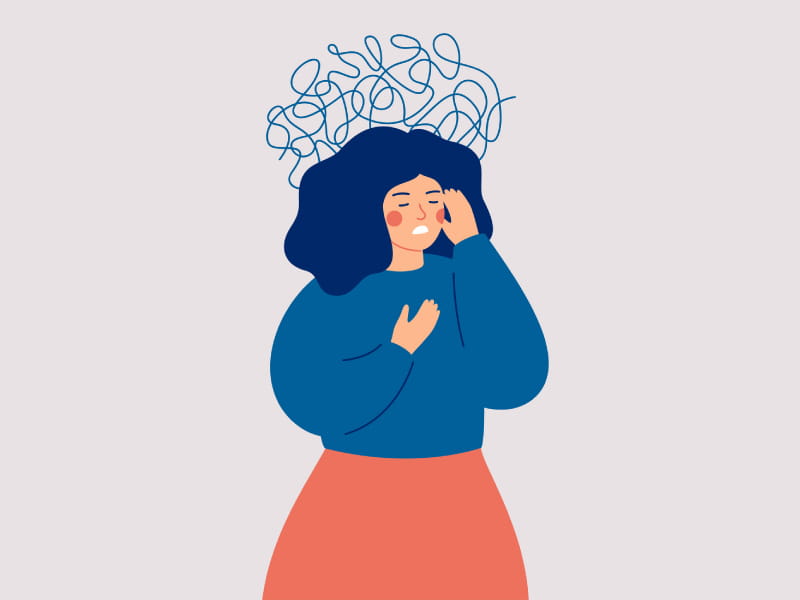
• Frequent headaches or pressure behind the eyes
• Occasional dizziness or light-headedness
• Faster heart rate during mild activity
• Difficulty sleeping or unrestful sleep
• Feeling tired more easily than before
These signs don’t mean you definitely have hypertension—but they mean your cardiovascular system is under more strain than it should be.
3. Early High Blood Pressure Already Causes Damage
Even mild increases in blood pressure can damage the body over time.
• Blood vessel walls stiffen earlier
• Heart muscle thickens to compensate for added pressure
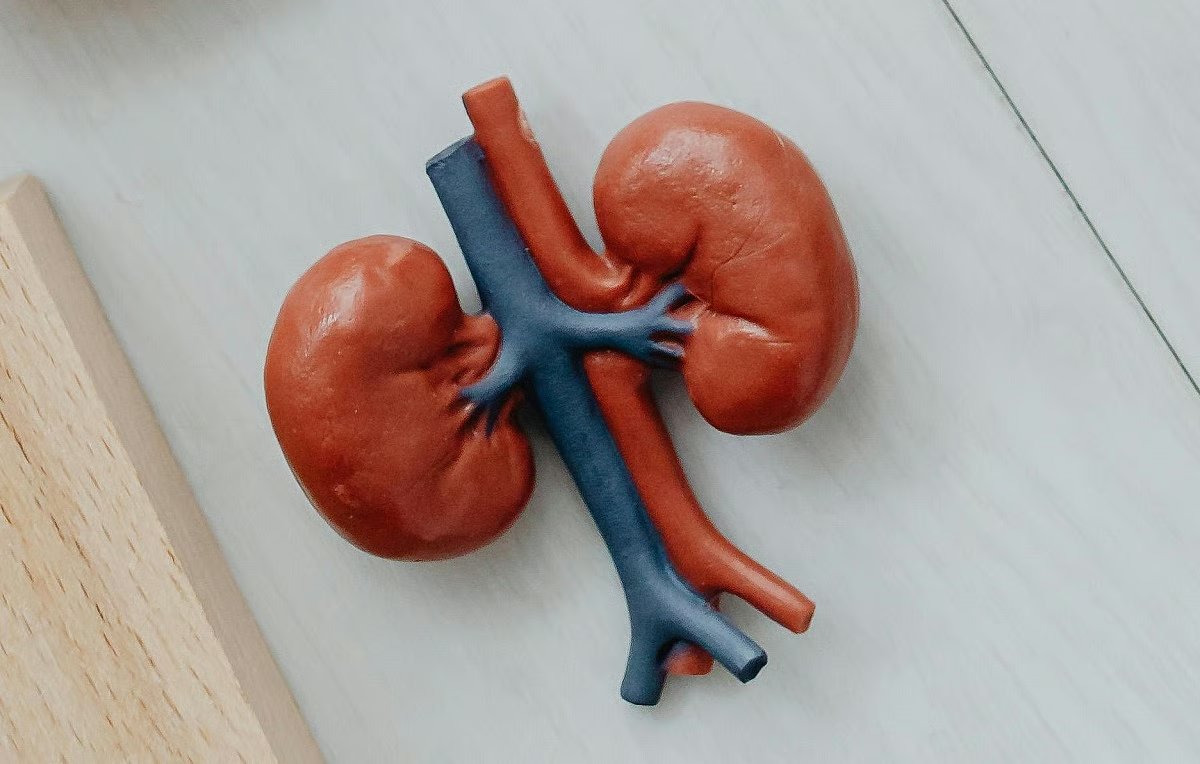
• Kidneys become less efficient at filtering waste
• Risk of stroke and heart disease rises years earlier
A major study in The New England Journal of Medicine found that people with elevated blood pressure in their 20s and 30s are 3–4 times more likely to develop full hypertension by midlife and face complications a decade earlier.

4. Why Doctors Now Recommend Screening Starting in Your 20s
Because early hypertension is so common—and so easy to miss—cardiologists recommend checking your blood pressure:
-
At least once a year in your 20s
-
Twice a year in your 30s
-
More frequently if you have a family history or lifestyle risks
Home blood pressure monitors have made this easier than ever, and early detection helps prevent long-term damage.
5. The Good News: Early-Stage Hypertension Is Highly Reversible
You can lower your blood pressure dramatically through small, realistic changes—even if you’re already in the early stage.
• Add movement every 30–60 minutes
Short breaks from sitting improve blood vessel function immediately.
• Reduce sodium gradually, not drastically
Even a 20% reduction shows measurable improvement.
• Build more muscle
Strength training makes arteries more elastic and improves circulation.
• Improve sleep routine
Regular sleep reduces cortisol, helping stabilize blood pressure.
• Manage stress proactively
Breathing exercises, walking outdoors, or even short digital breaks lower heart strain.
6. When to See a Doctor
You should consult a professional if:
-
Your home readings are consistently 130/80 or above
-
You experience sudden severe headaches, chest pressure, or blurred vision
-
You have a family history of hypertension, diabetes, or stroke
Early treatment doesn’t always mean medication—lifestyle optimization is often the first step.

The Bottom Line
Hypertension is no longer a “senior” condition. It’s becoming a young adult problem, driven by modern stress, inactivity, processed diets, and disrupted sleep. You might already be in the early stage without realizing it—but the earlier you act, the easier it is to reverse.
Taking your blood pressure seriously in your 20s and 30s may be one of the most important health decisions you make for your future.