






Heating, ventilation and air-conditioning (HVAC) technicians are among the most in-demand skilled workers across the United States, Canada, the UK, and Australia. With rising temperatures, growing construction, and an aging workforce, the HVAC industry is expanding—and companies are actively hiring beginners, paying for training, and offering rapid career advancement.
Whether you’re just getting started or already working as a helper, this roadmap shows the exact steps to move from entry-level apprentice to a higher-salary HVAC professional, including the skills, certifications, timelines, and real-world earning potential at each stage.

Why HVAC Is a High-Growth Career
1. Strong Demand and Labor Shortage
According to the U.S. Bureau of Labor Statistics, HVAC employment is projected to grow steadily due to:
-
Increased installation of energy-efficient systems
-
Demand for heat pumps
-
Aging buildings requiring retrofits
-
Shortage of licensed technicians
Some states report that HVAC contractors cannot fill open roles fast enough—leading to strong salaries for trained technicians.
2. High Starting Pay with No Degree
Beginners typically earn $18–$24 per hour, and experienced technicians commonly earn $60k–$95k annually depending on location and specialization.
3. Clear Path to Career Growth
HVAC work offers predictable steps, each with higher responsibility and higher pay:
Helper → Apprentice → Technician → Senior Tech → Specialist → Supervisor → Business Owner
HVAC Career Roadmap: Step-by-Step
Step 1: Start as a Helper or Trainee (0–6 Months)
Goal: Build foundational mechanical skills and basic HVAC knowledge.
What You’ll Learn
-
Basic tools: gauges, multimeters, vac pumps, thermometers
-
Safety rules (EPA/OSHA basics)
-
Assisting with equipment installation
-
Carrying materials, cleaning coils, replacing filters
-
Reading basic wiring diagrams
Typical Pay
-
$15–$20/hr (varies by state and employer)
Real Example
Many U.S. companies (such as ARS, One Hour Heating & Air, and local contractors) hire complete beginners and train them on the job while paying for certification exams.

Step 2: Become a Registered Apprentice (6–18 Months)
Goal: Gain hands-on experience and begin formal training.
Training Includes
-
Refrigeration cycles
-
Electrical troubleshooting
-
Furnace and heat pump basics
-
Brazing and soldering
-
Airflow measurement and duct design
Where Apprentices Train
-
Local apprenticeship programs
-
Trade schools
-
Employer-sponsored “earn while you learn” paths
Expected Pay
-
$20–$26/hr, often with overtime opportunities
-
Benefits may include tools, tuition reimbursement, and safety certificates
Certification to Earn
-
EPA 608 (required to handle refrigerants in the U.S.)
This exam is essential and dramatically improves employability and pay.
Step 3: Become a Full HVAC Technician (1.5–3 Years)
Goal: Handle repairs, installations, and advanced troubleshooting independently.
Your Responsibilities
-
Diagnosing electrical and refrigeration problems
-
Installing air conditioners, furnaces, heat pumps, and mini-splits
-
Handling refrigerants safely
-
Completing service calls independently
-
Communicating with customers
Expected Salary
-
$55,000–$75,000 per year in most regions
-
High-demand states (TX, FL, CA, AZ) may pay above $80k
Skills That Boost Pay
-
Complex diagnostics
-
Heat pump systems
-
Commercial units
-
Smart thermostats and controls
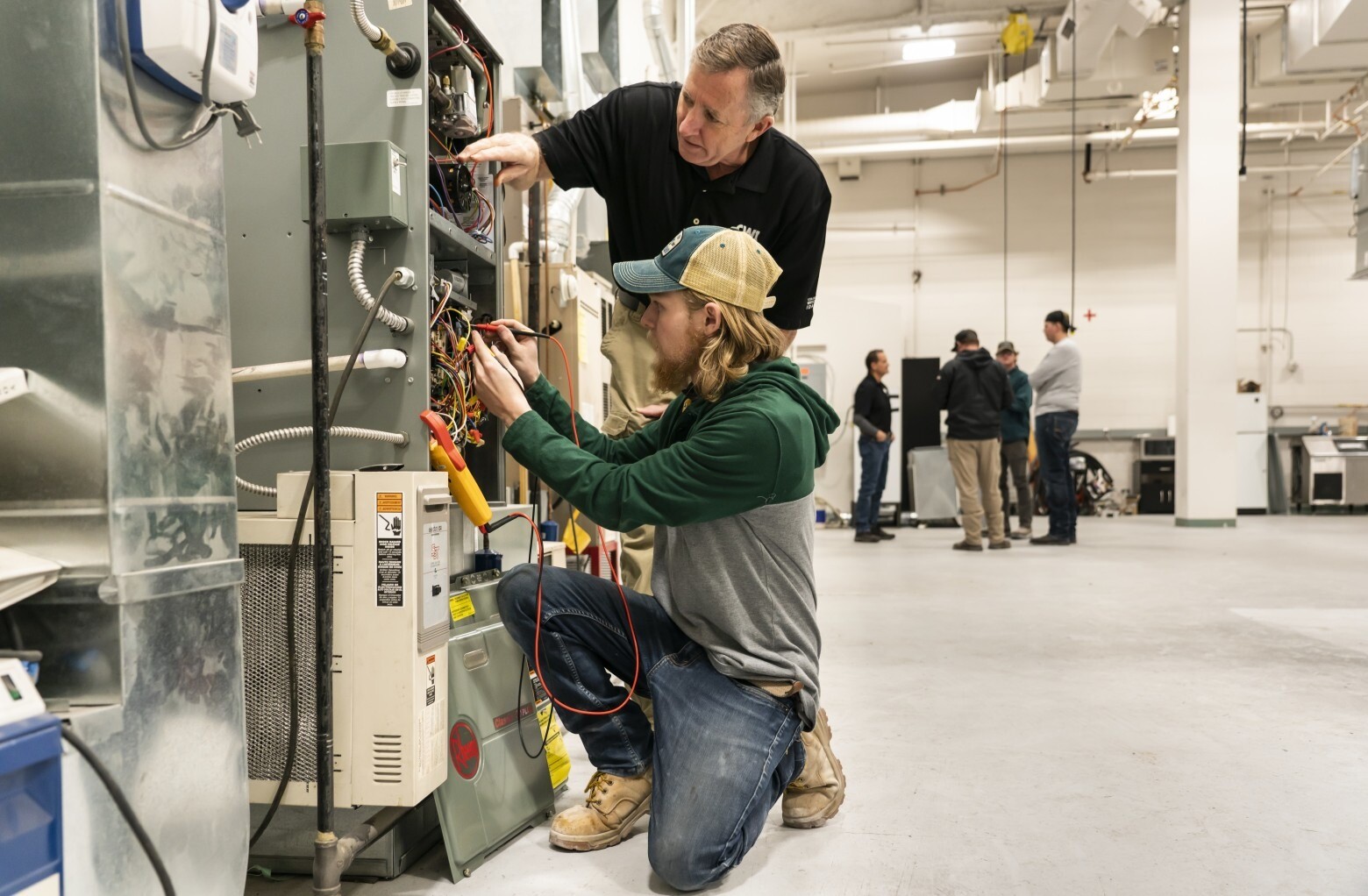
Step 4: Advance to Senior Technician (3–6 Years)
Goal: Master advanced system design and supervise junior techs.
What You’ll Do
-
Lead installation teams
-
Handle high-complexity repairs
-
Mentor apprentices
-
Work on commercial projects
-
Manage job-site safety
Salary Range
-
$75,000–$95,000+
-
Additional bonuses often available for high-quality or high-volume work
Recommended Certifications
-
NATE Certification (highly respected nationwide)
-
HVAC Excellence Professional Level
-
Manufacturer-specific training (Lennox, Trane, Carrier)
These credentials often result in immediate pay increases.
Step 5: Specialize for Higher Income (4–10 Years)
HVAC specialists are among the highest-paid technicians due to their advanced skills.
High-Paying Specializations
-
Refrigeration technician (supermarkets, restaurants, cold storage)
-
Commercial HVAC tech
-
Building automation & controls
-
Heat pump specialist
-
Energy efficiency & retrofitting
-
Industrial chillers
Typical Salary Range
-
$90,000–$120,000+ depending on region and specialization
-
Controls technicians can earn even more
Step 6: Move Into Management or Start Your Own Business
For those who want leadership or entrepreneurial control:
Management Path
-
Service manager
-
Field supervisor
-
Operations manager
-
Project manager
Salary: often $95,000–$140,000+
Business Owner Path
Many senior HVAC techs start their own residential or light commercial service company.
Income Potential: Easily $150k–$300k+ for successful small-business owners.
How to Accelerate Your HVAC Career (and Reach Higher Pay Faster)
1. Get EPA 608 Certified Early
This is the single fastest way to increase your pay as a beginner.
2. Practice Diagnostics
Technicians who can solve problems—not just install equipment—earn much more.
3. Build Customer Communication Skills
Soft skills often determine promotions and bonuses.
4. Learn Both Heating and Cooling Systems
Dual-skilled techs are more valuable and stay busy year-round.
5. Keep a Portfolio of Your Work
Photos of installations, ductwork, brazing joints, and service notes help during job applications.
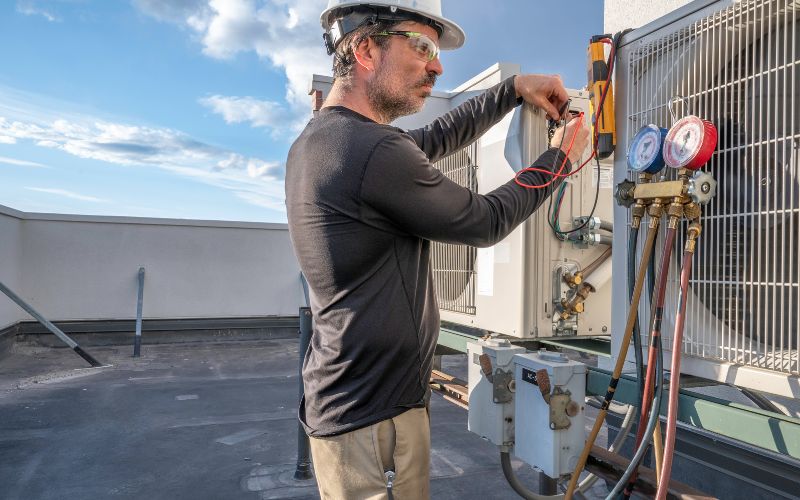
Tools Every Technician Should Own
Beginners usually start with a simple toolkit, but advanced technicians expand to:
-
Multimeter
-
Refrigerant gauges
-
Vacuum pump
-
Temperature probes
-
Drill and bits
-
Manifold hoses
-
Leak detector
-
Brazing torch
-
Safety PPE
A complete set can cost $400–$1,200, often reimbursed by employers.
Conclusion: HVAC Offers a Clear Path to Higher Salary and Long-Term Stability
Even with zero experience, you can become an HVAC apprentice quickly, grow into a high-earning technician, and advance into specialized or managerial roles. The industry provides stability, excellent pay, and lifelong career growth — with employers actively seeking new talent and offering paid training opportunities.
With the right certifications, hands-on skills, and continuous learning, you can go from apprentice to a six-figure HVAC professional in just a few years.