





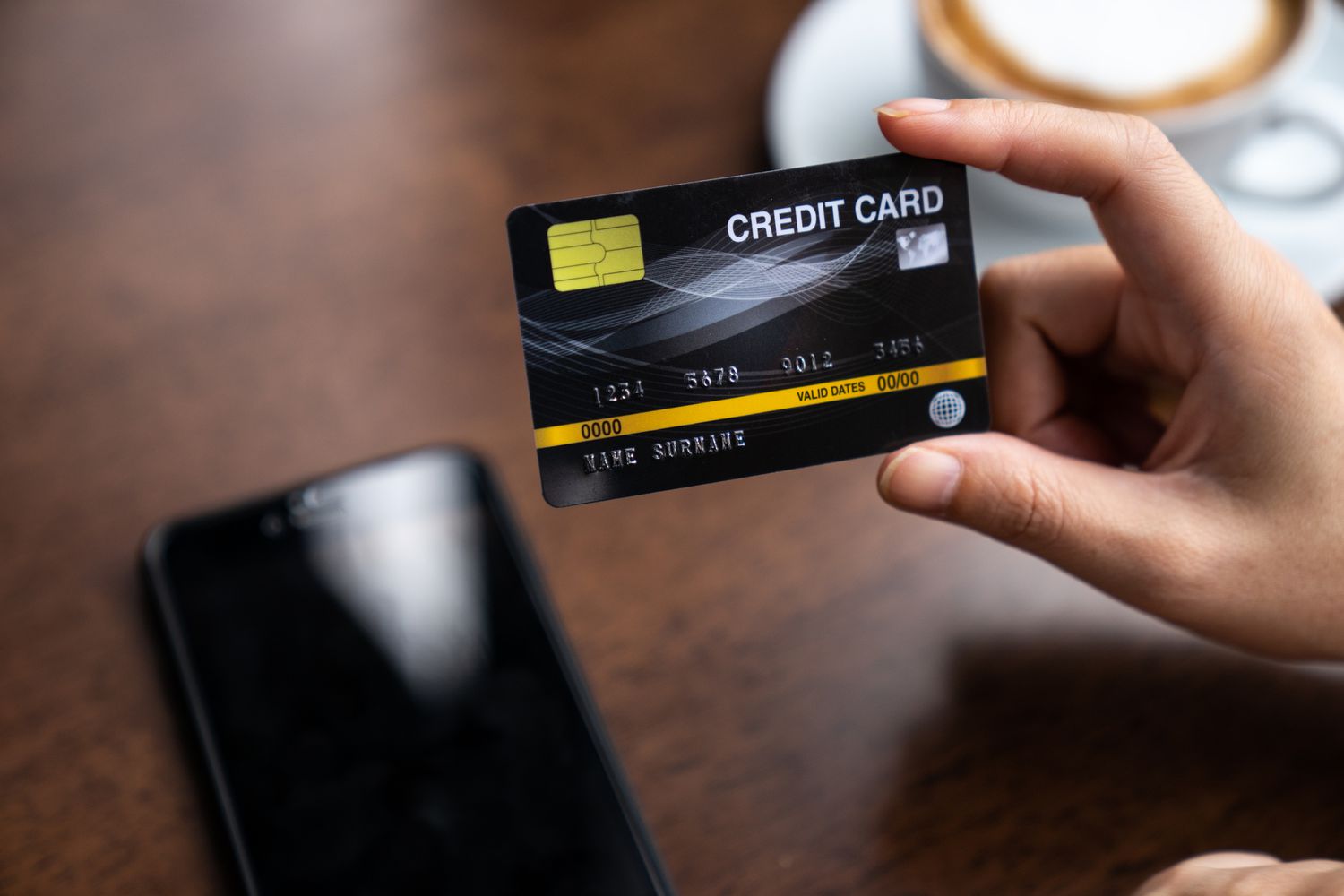
Credit cards are incredibly convenient—quick payments, cash-back rewards, travel points, purchase protection. But convenience often hides a dangerous truth: your credit card may be silently making you poorer, even if you pay “most” of your bills on time.
Many people look at their monthly balance and wonder:
-
“Why isn’t my debt going down?”
-
“Why do I owe more than I expected?”
-
“Where did these extra charges come from?”
The answer is often hidden fees that sound small but compound quickly. Here are the three most common fees people overlook—yet they drain hundreds of dollars a year.
:max_bytes(150000):strip_icc()/credit-card--concept-credit-card-payment-1156857742-c265746dcaea46e6bcc5f0bcda1ed871.jpg)
1. The Interest Fee You Don’t See: Residual Interest
Most people think:
“I paid my bill—so I shouldn’t be charged interest.”
Unfortunately, that’s not how credit cards work.
Residual interest, also known as “trailing interest,” is interest that continues to accumulate even after you’ve paid your balance, but before the bank has processed the payment to zero.
How it traps you:
-
You carry a balance for a few days or weeks
-
You pay it off
-
Interest is still added because you didn’t pay it off on the exact day the billing cycle closed
Even if it’s only a few dollars, it compounds. Most cardholders never notice it because it shows up as a tiny charge on the next statement.
Real example
A man in Texas paid off his $1,200 balance in full.
Next month, he still owed $5.74—residual interest.
It seemed small, but over the year, these small charges added up to $60–$80, quietly draining his finances.
If you frequently carry balances, this single fee can prevent your debt from ever fully going away.
2. The “Convenience” Fee: Foreign Transaction Charges
This is one of the most overlooked fees, especially because it doesn’t only apply to travel.
Most cards charge 2–3% per transaction when the purchase is processed outside the country—even if you’re at home.
When it applies:
-
Buying from online stores located abroad
-
Subscriptions that bill through overseas processors
-
Apps or software with international billing
-
Booking travel with foreign airlines
Millions of people pay this fee accidentally every month.
Case study
A woman bought a $120 skincare product from a Korean brand’s official website.
She expected to pay $120.
Her card issuer added a 3% foreign transaction fee, costing her an extra $3.60.
Buy a few international products per month, and suddenly you’re losing $100–150 a year without realizing it.
Pro tip
Use no foreign transaction fee cards for online shopping—even when you’re not traveling.

3. The “I Didn’t Know This Existed” Minimum Payment Fee
Minimum payments sound helpful:
“Just pay $25 and you’re fine.”
But here’s the truth:
Minimum payments are designed to keep you in debt for years.
And the hidden danger is the minimum payment interest penalty, meaning:
-
You pay the minimum
-
Interest is charged on the entire remaining balance
-
Your principal barely moves
-
Your debt grows even if you make payments every month
People often overlook how expensive this becomes.
Example
You have a $2,000 balance.
You pay only the $35 minimum.
Most of that $35 goes toward interest, not your debt.
At an interest rate of 20%, it can take 10–15 years to pay off the full balance.
The minimum payment isn’t a feature—it’s a trap.
How Credit Cards Make You Poorer Without You Noticing
These hidden charges work together to slowly erode your wealth:
-
Small residual interest → $50–$100/year
-
Foreign transaction fees → $100–$150/year
-
Minimum payment interest → hundreds or thousands in the long term
Add them up, and an average person may lose $500–$1,200 per year, silently.
How to Protect Yourself Starting Today
✔ Use auto-pay to avoid residual interest
Set payments to “full balance” so interest has no time to accumulate.
✔ Get a credit card with zero foreign transaction fees
Especially if you shop internationally or subscribe to overseas apps.
✔ Never rely on the minimum payment
Even paying double the minimum dramatically reduces interest costs.
✔ Read your statement line by line
Most hidden fees sit quietly in the fine print.

Final Thought
Your credit card can be a useful tool—or a silent thief.
You don’t need to cancel your cards. You don’t need to stop buying things.
But you do need to understand how the system is built to profit from your small mistakes.
Once you manage these three hidden fees, you’ll immediately notice one thing:
Your money stops leaking—and your wealth starts growing.