





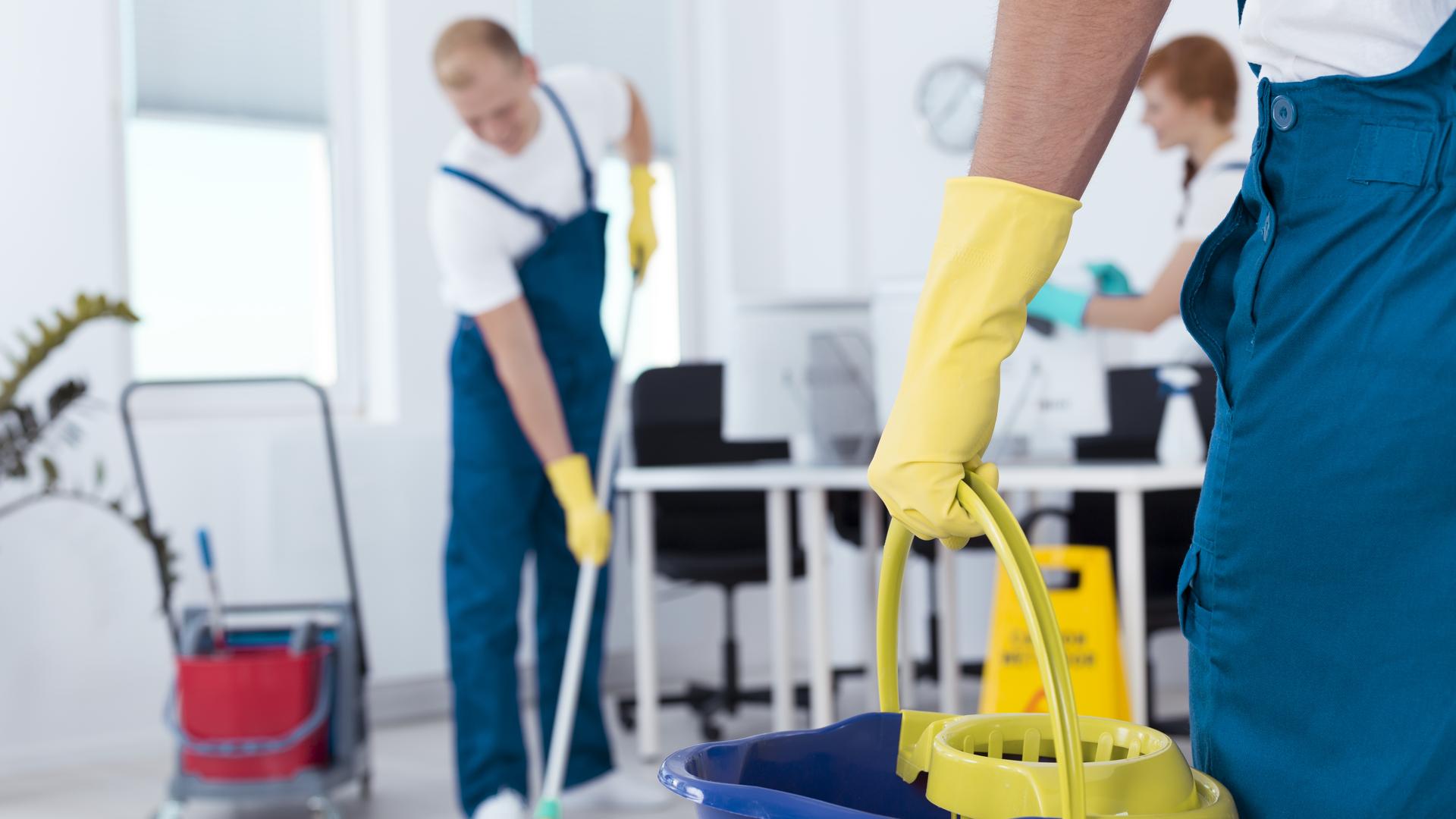
Cleaners are the unsung heroes of workplaces, schools, hospitals, and public spaces. Their role ensures hygiene, safety, and comfort for everyone who uses these environments. Despite often being overlooked, cleaning is a profession in high demand, offering stability, flexibility, and opportunities for advancement. In a world increasingly focused on health and sanitation, skilled cleaners are essential.
Whether you are considering a career as a cleaner for the first time or looking to advance within the industry, understanding the skills, responsibilities, and growth potential is crucial. This guide will help you navigate entry, succeed on the job, and plan for long-term career development.

Why Cleaning Jobs Are a Strong Career Choice
1. Consistent Demand
Organizations of all sizes require cleaning services daily. From offices and retail stores to hospitals and factories, cleanliness directly affects employee productivity, customer experience, and public health. The ongoing emphasis on hygiene, particularly in healthcare and pandemic-conscious times, has increased demand for professional cleaners.
2. Flexible Work Options
Cleaners can often choose shifts that suit their lifestyle, including part-time, full-time, day, evening, or weekend schedules. This flexibility makes it an attractive career for students, parents, and those seeking a second income.
3. Competitive and Growing Pay
Entry-level cleaners earn $12–$18/hour, depending on location and employer. Experienced cleaners, especially in specialized fields such as medical facilities, laboratories, or executive offices, can earn $20–$30/hour. Supervisory or managerial roles may command even higher salaries.
Step 1: Acquire Essential Cleaning Skills
Strong foundational skills are critical for success and safety on the job.
Core Cleaning Skills
-
Knowledge of cleaning products and chemical safety
-
Efficient techniques for floors, windows, and surfaces
-
Waste management and recycling procedures
-
Sanitization procedures for kitchens, bathrooms, and public spaces
-
Equipment operation: vacuum cleaners, floor polishers, and scrubbers
Training Options
-
On-the-job training by employers
-
Vocational courses in cleaning and sanitation
-
Online certifications for specialized cleaning (e.g., healthcare, biohazard)
Having certified skills not only improves employability but also demonstrates professionalism.

Step 2: Understand Workplace Safety
Cleaning often involves physical labor, chemicals, and equipment. Understanding safety protocols protects you and those around you.
Safety Practices
-
Proper lifting techniques to avoid back injuries
-
Correct use of gloves, masks, and protective gear
-
Safe handling and storage of cleaning chemicals
-
Awareness of potential hazards like wet floors or sharp objects
Employers value cleaners who prioritize safety, which can influence promotions and responsibilities.
Step 3: Master Client and Employer Communication
Communication skills can distinguish a reliable cleaner from an ordinary one.
Key Communication Areas
-
Listen to client or supervisor instructions accurately
-
Report maintenance issues, damages, or safety concerns promptly
-
Provide updates on completed tasks efficiently
-
Maintain professional demeanor during interactions
Good communication builds trust, encourages repeat contracts, and may open doors to supervisory roles.
Step 4: Gain Experience and Build a Reputation
Experience and reliability are crucial in the cleaning industry. Demonstrated competence leads to better job security and higher pay.
Practical Tips
-
Arrive on time and complete tasks thoroughly
-
Show initiative by attending to overlooked areas
-
Maintain organized and clean work zones
-
Build positive relationships with coworkers and supervisors
A reputation for diligence and professionalism can lead to long-term employment and references.
Step 5: Consider Specialization
Specializing can increase income potential and career stability.
Popular Specializations
-
Healthcare Cleaning: Hospitals, clinics, and labs require strict sanitization protocols
-
Industrial Cleaning: Factories and warehouses need specialized equipment knowledge
-
Executive/Commercial Cleaning: Offices and corporate spaces often pay higher rates
-
Green Cleaning: Environmentally friendly methods are increasingly sought after
Specialization signals expertise, sets you apart from competitors, and can make you indispensable to employers.
Step 6: Explore Career Advancement
The cleaning industry offers clear paths for growth.
Career Progression
-
Entry-Level Cleaner: Focus on mastering basic tasks
-
Senior Cleaner / Team Lead: Supervise small teams, manage schedules
-
Supervisor / Cleaning Manager: Oversee multiple teams, plan operations
-
Specialist or Consultant: Provide expert cleaning services or advise companies on hygiene compliance
Promotions often depend on reliability, performance, and willingness to learn new techniques or certifications.
Step 7: Stay Updated and Adaptable
Trends and technology in cleaning are evolving rapidly. Staying current ensures relevance and career longevity.
Tips for Continuous Improvement
-
Learn to operate new cleaning machines efficiently
-
Familiarize yourself with environmentally friendly products
-
Attend workshops or courses on advanced cleaning methods
-
Adapt to new safety regulations and industry standards
A proactive attitude toward learning helps maintain a competitive edge in this high-demand field.

Conclusion: Cleaning as a Stable and Rewarding Career
A career in cleaning is more than repetitive tasks—it is essential work that impacts safety, health, and overall quality of life. By mastering foundational skills, practicing safety, communicating effectively, and considering specialization, you can stand out in this stable and growing profession.
For those willing to commit to excellence and continuous learning, a career as a cleaner offers stability, flexibility, and advancement opportunities. With dedication and strategic planning, you can transform a reliable entry-level job into a respected and rewarding long-term career.