





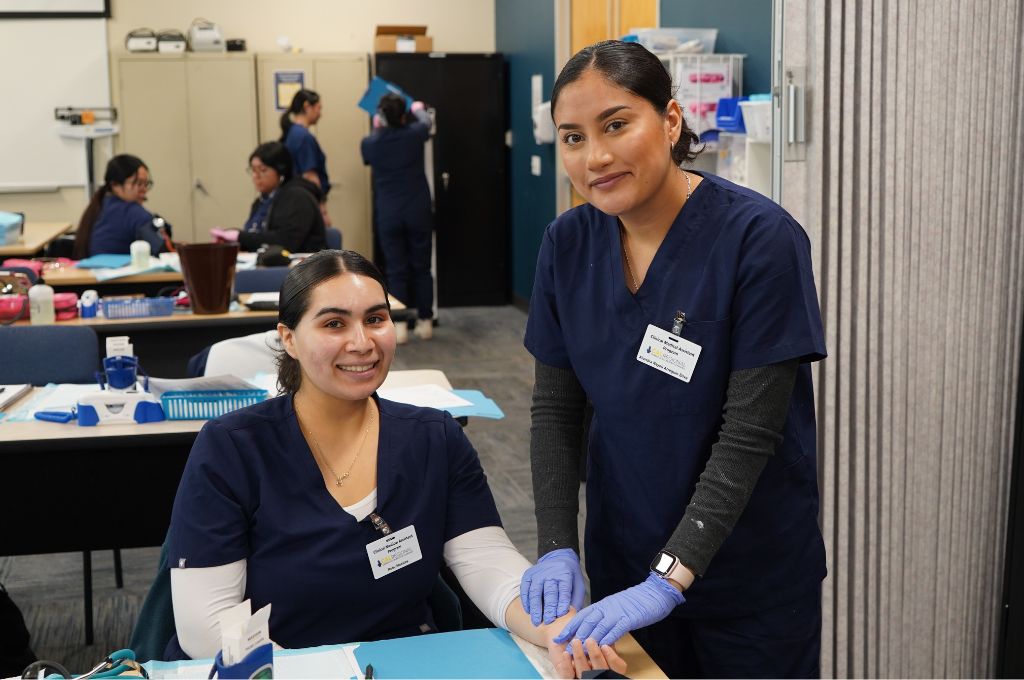
The demand for care assistants—including home-care aides, personal support workers, and elderly-care helpers—has been rising rapidly across the United States, Canada, the UK, Australia, and Europe. As populations age and healthcare systems face staff shortages, employers now offer paid training, flexible schedules, and entry pathways requiring no prior experience.
If you’ve ever thought about working in the healthcare field but felt unqualified, this guide will show you exactly how to start—even with zero background.
Why Care Assistants Are in High Demand
1. Aging Populations
People aged 65+ are the fastest-growing demographic.
In the U.S., the Census Bureau reports that by 2035, seniors will outnumber children for the first time in history. Similar trends exist in the UK, Canada, and Australia.
2. A Serious Healthcare Staffing Shortage
Hospitals, nursing homes, and home-care agencies are understaffed.
This shortage has led employers to:
-
Hire beginners with no experience
-
Provide paid on-the-job training
-
Offer fast-track certifications
3. Care Work Cannot Be Automated
Unlike many office jobs, caregiving requires human interaction—making the career stable and future-proof.
What Does a Care Assistant Do?
Care assistant responsibilities vary by setting but typically include:
-
Helping clients with bathing, dressing, and personal hygiene
-
Preparing meals and supporting nutrition
-
Monitoring health changes (mobility, appetite, mood)
-
Assisting with medication reminders
-
Light housekeeping and safety checks
-
Supporting mobility, transfers, and safe walking
-
Providing emotional comfort and companionship
Many families and facilities rely on care assistants as their primary support system.

No Experience? Here’s How You Can Still Start
Even if you’ve never worked in healthcare, employers provide step-by-step training.
Step 1: Apply for Entry-Level Positions
Common beginner-friendly job titles include:
-
Care Assistant
-
Home Care Aide
-
Personal Support Worker (PSW)
-
Home Health Aide (HHA)
-
Support Worker
-
Residential Care Assistant
-
Direct Support Professional (DSP)
These roles often offer:
✔ Paid training
✔ No certification required upfront
✔ Flexible or full-time options
Step 2: Complete Employer Training (Usually 1–4 Weeks)
Most companies teach you everything you need, including:
-
Safe lifting and mobility assistance
-
Infection prevention
-
Nutrition and hydration basics
-
Communication with clients and families
-
How to document observations
-
Emergency procedures
Many employers pair you with an experienced staff member during your first assignments.
Step 3: Earn a Certification for Higher Pay (Optional but Beneficial)
Depending on your country:
United States
-
HHA (Home Health Aide) — typically 75 hours
-
CNA (Certified Nursing Assistant) — 4–12 weeks
CNA certification often leads to higher pay and hospital opportunities.
Canada
-
PSW (Personal Support Worker) — 6–12 months
Many provinces offer tuition assistance.
United Kingdom
-
Care Certificate — completed during the first 12 weeks of employment
-
NVQ / RQF Level 2 or 3 in Health & Social Care for higher roles
Australia
-
Certificate III in Individual Support (Ageing/Disability)
A common starting point with excellent job security.

Step 4: Choose Your Work Setting
Care assistants can work in diverse environments:
1. Home Care
-
One-on-one
-
Flexible hours
-
Very high demand
2. Assisted Living Facilities
-
Team environment
-
Predictable schedules
3. Nursing Homes
-
Structured clinical support
-
Faster skill development
4. Hospitals (with CNA or advanced training)
-
Higher pay
-
Exposure to medical teams
Salary Expectations
While pay varies by region, here are general ranges:
United States
-
Home Care Aide: $14–$19/hr
-
CNA: $18–$25/hr
Canada
-
PSW: $18–$27/hr
United Kingdom
-
Care Assistant: £10.50–£13.50/hr
-
Senior Carer: £12–£16/hr
Australia
-
Individual Support Worker: AUD $28–$38/hr
Overtime, night shifts, and weekend differentials can increase earnings significantly.

Skills That Make You Stand Out (Even as a Beginner)
You don’t need medical knowledge, but these traits make a huge difference:
-
Patience and empathy
-
Good communication
-
Reliability and punctuality
-
Basic fitness for assisting clients
-
Observational skills (spotting small health changes)
Many excellent care assistants come from backgrounds such as retail, childcare, hospitality, or customer service.
Career Advancement Opportunities
The healthcare sector offers clear progression:
-
Senior Care Assistant
-
Team Leader / Shift Leader
-
Medication Technician
-
CNA / PSW / RQF Levels 2–3
-
Nursing Associate (UK)
-
Licensed Practical Nurse (LPN) / Registered Nurse (RN)
Many nurses actually began as care assistants.
With experience and additional training, you can even move into:
-
Care Coordination
-
Case Management
-
Healthcare Administration
-
Training & Development
Why This Career Is Meaningful
Care assistants change lives every day.
Clients depend on you for safety, comfort, dignity, and emotional support. Families trust you with their most vulnerable loved ones. And unlike many jobs, every shift you work has a real human impact.
Many beginners say this becomes more than just a job—it’s a purpose.

Conclusion: Anyone Can Start a Healthcare Career with the Right Support
You don’t need a medical background, degree, or experience to become a care assistant. The healthcare industry needs compassionate people, and the training is clear, structured, and accessible.
With employer support, short certifications, and strong job security, you can build a stable, meaningful career — starting today.