




Fatty liver disease is often dismissed as a minor health issue—something that happens when you gain a little weight, drink occasionally, or indulge in late-night meals. But doctors warn that this seemingly harmless condition can, in some cases, progress to liver fibrosis, cirrhosis, and even liver cancer if left unchecked.
So, can fatty liver really turn into liver cancer?
The short answer from hepatologists is: Yes—but it depends on the type, severity, and lifestyle factors.
Below, we break down exactly how fatty liver develops, who is at risk, early signs most people ignore, and what doctors recommend for prevention.
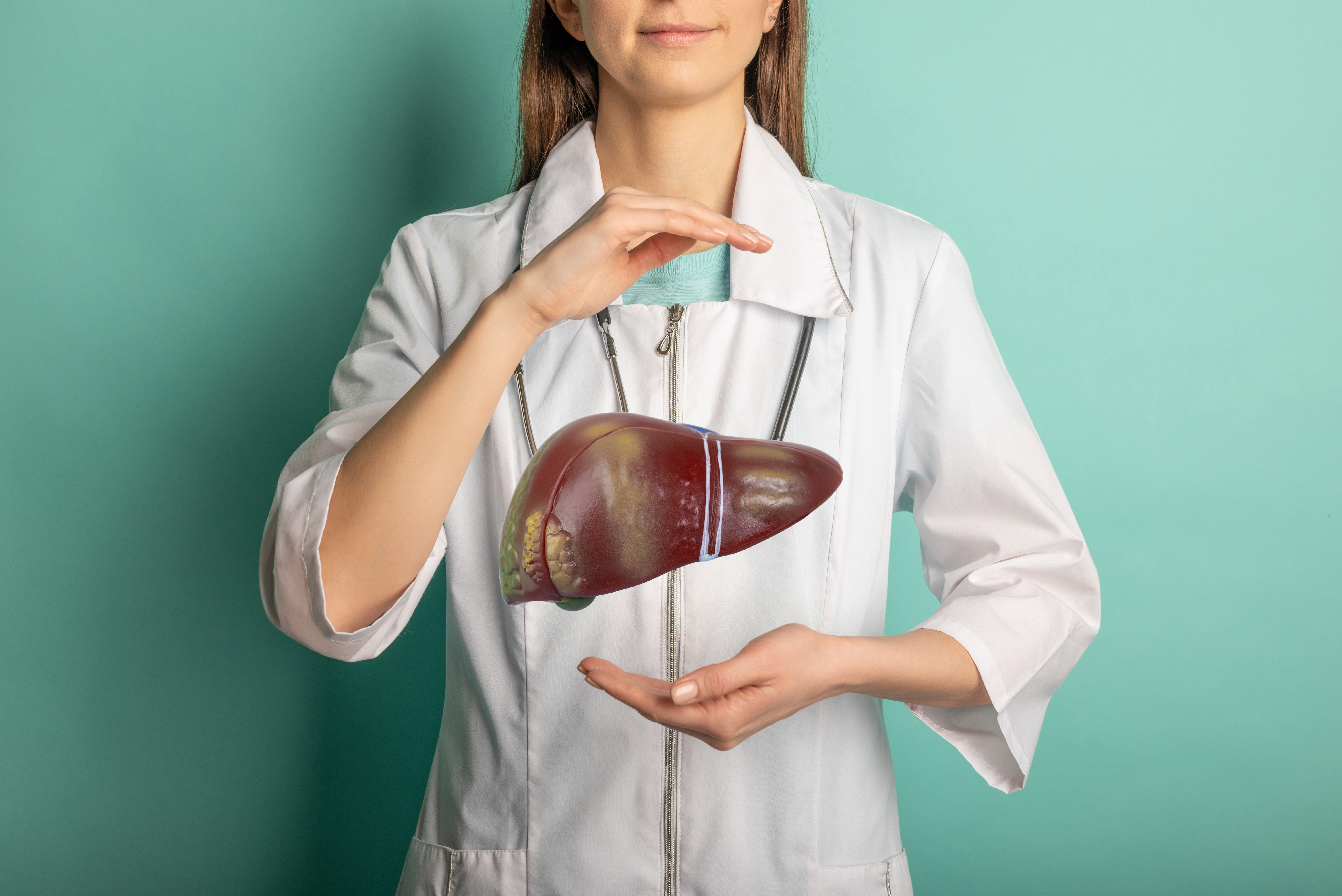
What Exactly Is Fatty Liver?
Fatty liver occurs when more than 5% of liver cells contain fat. It comes in two major forms:
1. Non-alcoholic fatty liver disease (NAFLD)
Related to obesity, diabetes, insulin resistance, and metabolic syndrome.
2. Alcoholic fatty liver disease (AFLD)
Caused by long-term alcohol consumption.
NAFLD is now the most common liver condition in the world, affecting over 1 in 4 adults according to global epidemiology studies. It is especially widespread among people aged 35–65.
How Fatty Liver Progresses Over Time
Fatty liver does not automatically become dangerous—but it becomes dangerous when inflammation enters the picture.
Doctors describe the disease’s progression in four stages:
-
Simple Fatty Liver (Steatosis) – Fat accumulates in the liver, but there is no inflammation.
-
NASH (Non-Alcoholic Steatohepatitis) – Fat + inflammation damages liver cells.
-
Fibrosis – The liver begins to scar.
-
Cirrhosis – Severe scarring that impairs liver function.
-
Liver Cancer (Hepatocellular Carcinoma) – Can arise from long-term cirrhosis or even directly from NASH.
A major misconception is that liver cancer only occurs after cirrhosis develops.
In reality, up to 25% of NASH-related liver cancers occur without cirrhosis, according to research from the American Association for the Study of Liver Diseases (AASLD).
Why Fatty Liver Can Turn into Liver Cancer
Doctors highlight several biological mechanisms:
1. Chronic inflammation damages DNA
With NASH, inflammatory molecules repeatedly assault liver cells, eventually causing mutations that can grow into tumors.
2. Fibrosis creates a high-risk environment
Scar tissue restricts blood flow and increases oxidative stress, promoting cancer formation.
3. Fat cells release harmful cytokines
Excess fat stimulates hormones that accelerate cell aging and abnormal growth.
4. Diabetes and obesity fuel carcinogenic changes
Patients with both fatty liver and diabetes have 2–3 times higher risk of liver cancer.

Who Is Most at Risk? Doctors Identify Five High-Risk Groups
While not everyone with fatty liver will develop cancer, these groups face significantly higher danger:
1. People with NASH
NASH is the turning point: once inflammation begins, cancer risk rises sharply.
2. Patients with advanced fibrosis or cirrhosis
The more scarring, the higher the cancer risk.
3. Individuals with type 2 diabetes
Diabetes doubles or even triples the likelihood of liver cancer.
4. People who are obese—especially with belly fat
Visceral fat produces inflammatory molecules that damage liver cells.
5. Long-term alcohol drinkers
Even “moderate” alcohol accelerates progression from fatty liver to cirrhosis.
Real Case Example: A Silent Progression
A 52-year-old office worker had routine blood tests showing mild fatty liver for years. He felt no discomfort and ignored follow-ups. By age 57, an abdominal ultrasound detected a 3 cm liver tumor.
He never had pain, jaundice, or symptoms—proving what doctors repeatedly emphasize:
Liver cancer often develops silently until it reaches a dangerous stage.
Warning Signs of Liver Damage You Should Not Ignore
Fatty liver itself rarely causes symptoms, but worsening disease may show:
-
Persistent fatigue
-
Mild right-upper abdominal discomfort
-
Unexplained weight gain or loss
-
Elevated liver enzymes (ALT/AST)
-
Elevated fasting glucose or insulin resistance
-
Loss of appetite
More serious red flags—often associated with cirrhosis or cancer—include:
-
Jaundice
-
Swelling in the legs or abdomen
-
Easy bruising
-
Persistent nausea
-
Noticeable muscle loss
If any of these appear, doctors recommend urgent liver imaging.

How to Know If Your Fatty Liver Is Getting Worse
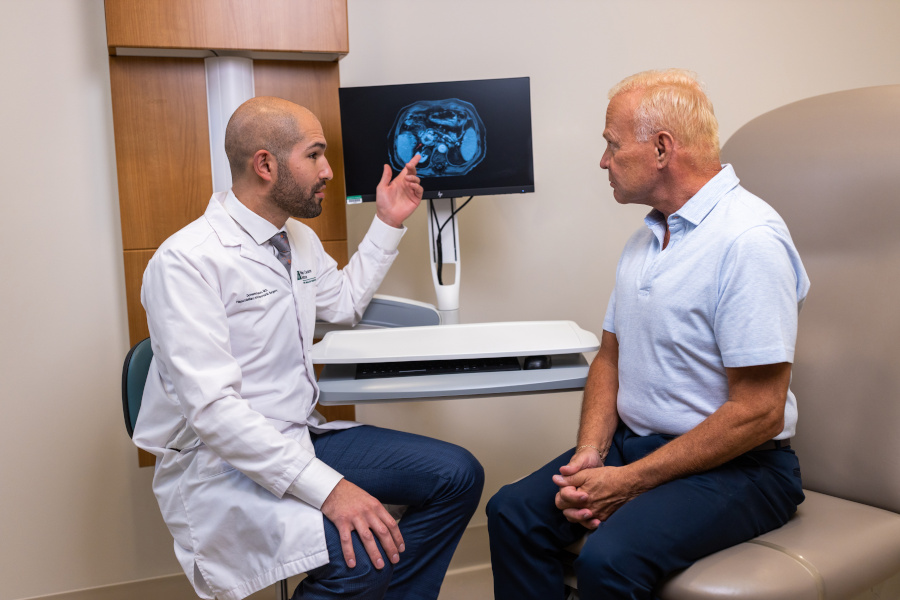
Doctors use several tools to detect progression:
1. FibroScan (Transient Elastography)
Measures liver stiffness—noninvasive and highly accurate.
2. Blood Biomarkers
FIB-4 index, ALT/AST ratio, and metabolic indicators.
3. Ultrasound or MRI
To detect fibrosis or early cancer nodules.
4. Liver Biopsy
The gold standard when diagnosis is unclear.
Most people with fatty liver should undergo annual—and in high-risk cases semiannual—monitoring.
The Good News: Fatty Liver Is Reversible
Unlike many diseases, fatty liver can improve dramatically with early action:
1. Weight loss
Losing 7–10% of body weight can reverse NASH and fibrosis in many patients.
2. Diet changes
Doctors recommend:
-
cutting sugary drinks
-
limiting processed carbs
-
increasing vegetables and lean protein
-
adopting Mediterranean-style meals
3. Regular exercise
30–45 minutes a day can significantly reduce liver fat.
4. Control diabetes and cholesterol
Proper management reduces inflammatory damage.
5. Avoid alcohol
Even small amounts can worsen fatty liver.

When to See a Doctor
You should seek medical evaluation if you:
-
have known fatty liver
-
are overweight with diabetes
-
have elevated liver enzymes
-
drink alcohol regularly
-
have a family history of liver cancer
-
are over 45 and experiencing metabolic symptoms
Early evaluation can prevent decades of silent liver damage.
Final Answer from Doctors: Yes, Fatty Liver Can Become Liver Cancer—But It Is Preventable
Fatty liver is not harmless.
While not everyone progresses to cancer, the pathway—from fatty liver → inflammation → fibrosis → cirrhosis → cancer—is medically proven and well-documented.
The key is early detection and lifestyle changes, which can halt or even reverse the disease before irreversible damage occurs.