




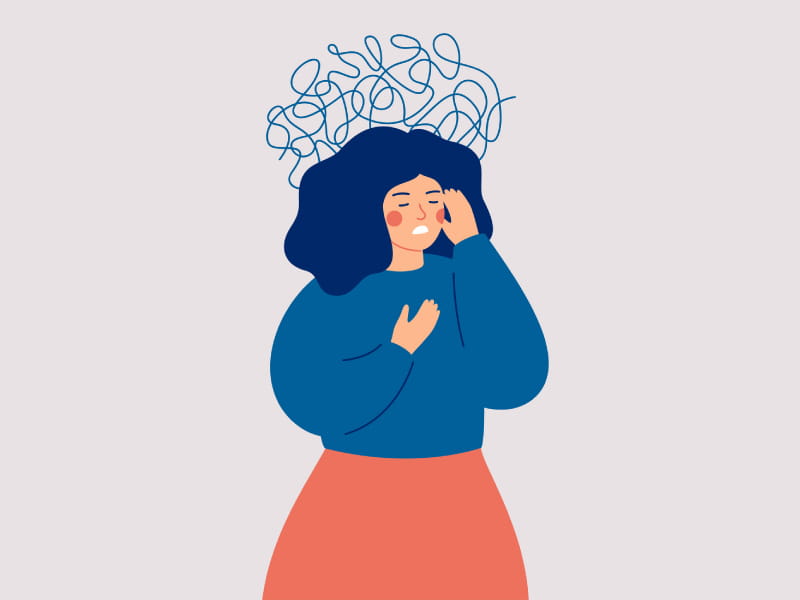
Many people think anxiety is “just overthinking,” but the truth is far more complex. Anxiety disorder can trigger real, physical symptoms—so real, in fact, that many patients rush to the emergency room thinking they’re having a heart attack. Rapid heartbeat, chest tightness, dizziness, trembling, shortness of breath… these sensations feel life-threatening, but in many cases, they are false alarms triggered by the body’s stress response.
Modern life has made anxiety incredibly common. According to global mental health data, more than 300 million people experience clinically significant anxiety symptoms each year. Yet because anxiety often appears through physical signals first, many people don’t realize what they’re experiencing is psychological, not cardiac.
Understanding this connection doesn’t just ease fear—it helps prevent unnecessary panic and gives you back control over your body.
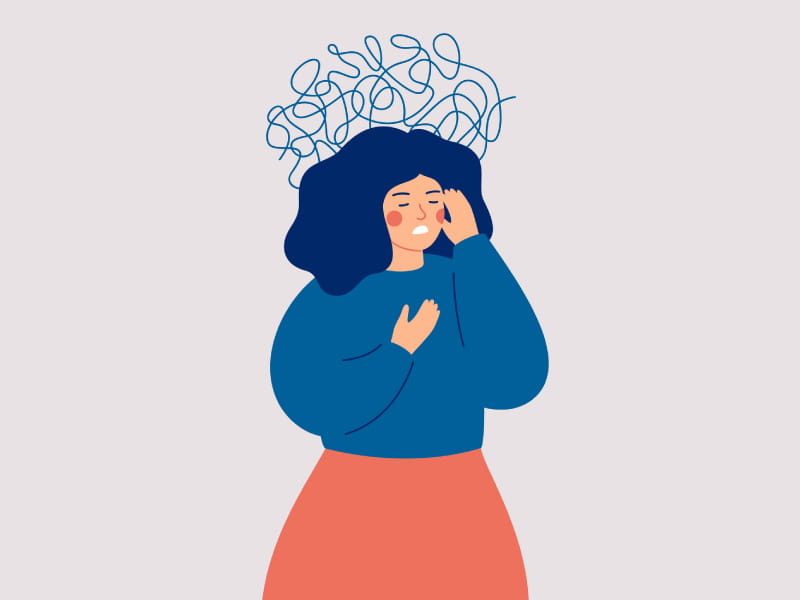
1. Why Anxiety Can Create Such Intense Physical Symptoms
Anxiety disorder activates the body’s fight-or-flight system, the same mechanism that protected humans from danger thousands of years ago. When your brain senses a threat—even a non-physical one like overthinking, work stress, relationship pressure—it sends out stress hormones such as adrenaline and cortisol.
These hormones trigger a chain reaction:
-
Heart rate increases
-
Breathing becomes rapid
-
Muscles tense
-
Blood pressure rises
-
Digestion slows
-
The body becomes hyper alert
To your body, danger feels immediate—even if nothing is actually threatening you. That is why anxiety symptoms can feel sudden, overwhelming, and frightening.
The result? Physical sensations that mimic medical emergencies.
2. The Most Common Physical Symptoms Caused by Anxiety
1. Heart palpitations
Your heart may suddenly beat fast, skip beats, or pound hard against your chest. While it feels dangerous, in most anxiety cases, it is harmless.
2. Chest tightness
Muscle tension around the chest can create pressure, heaviness, or mild pain—often mistaken for cardiac issues.
3. Shortness of breath
People experiencing anxiety tend to breathe shallowly or too quickly, which causes breathlessness.
4. Dizziness or lightheadedness
Rapid breathing reduces carbon dioxide levels, making you feel faint or unsteady.
5. Stomach discomfort
Anxiety disrupts digestion, leading to nausea, stomach cramps, bloating, or sudden urge to use the restroom.
6. Tingling or numbness
Overbreathing changes blood circulation in the hands and face, causing tingling sensations.
7. Sweating, trembling, or shaking
These are classic signs of the body’s fight-or-flight activation.
Many of these symptoms are so intense that people believe something is seriously wrong with their heart, lungs, or brain. In reality, anxiety is simply creating a powerful physiological reaction.
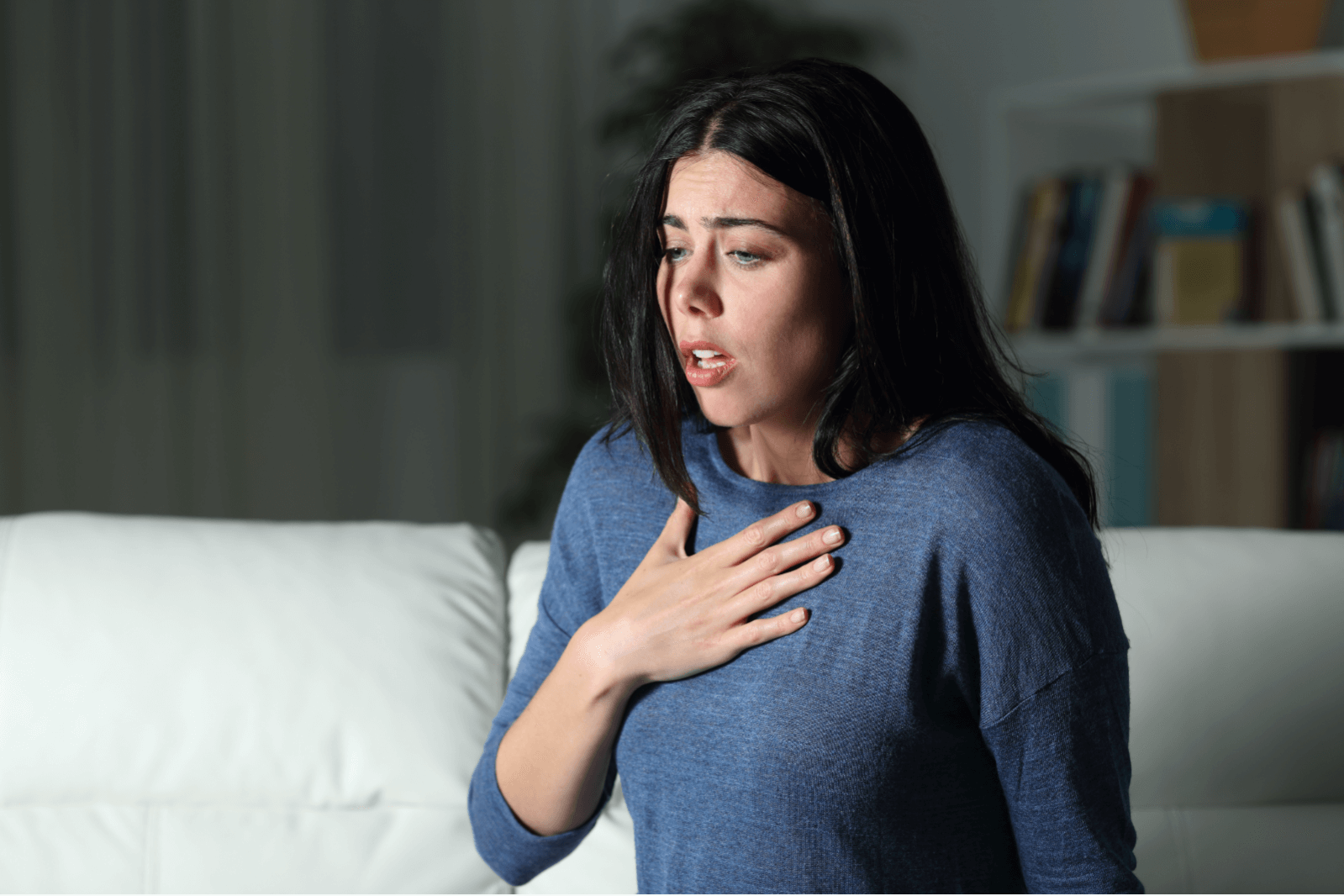
3. Why Anxiety Symptoms Feel So Dangerous
Reason 1: They appear suddenly
Anxiety attacks can strike without warning—even when you’re resting, eating, or trying to sleep.
Reason 2: Symptoms mimic life-threatening conditions
Chest pain, rapid heartbeat, and breathlessness feel identical to cardiac problems, making the experience terrifying.
Reason 3: The body amplifies fear
When you fear the sensation, your brain releases more stress hormones.
This creates a loop:
Symptom → Fear → More adrenaline → Stronger symptoms
Reason 4: People don’t recognize early psychological signs
Before the body reacts, anxiety often builds up silently through:
-
Work pressure
-
Sleep deprivation
-
Emotional conflict
-
Constant overthinking
-
Social stress
When ignored, these mental triggers spill into physical symptoms.
4. When Should You Actually Worry?
While anxiety can cause intense physical sensations, not all chest pain or palpitations are harmless. You should seek medical care if:
-
Pain radiates to your jaw, back, or left arm
-
You experience severe shortness of breath
-
Symptoms last more than 20 minutes without relief
-
You have a history of heart disease
-
You faint or nearly faint
-
Symptoms appear during physical exertion rather than stress
A medical evaluation provides clarity—and for many people, reassurance that their symptoms are anxiety-related, not cardiac.
Once major conditions are ruled out, treatment can focus on managing anxiety effectively.
5. How to Tell Anxiety Symptoms from Heart Problems
Although only a doctor can diagnose accurately, there are common differences:
Anxiety-related symptoms:
-
Come and go suddenly
-
Appear during stress or rest
-
Improve when you breathe slowly
-
Often accompanied by fear, shaking, or dizziness
Heart-related symptoms:
-
Often triggered by physical exertion
-
May include cold sweat and extreme fatigue
-
Do not improve with slow breathing
-
Usually persist longer
Still, err on the side of caution—especially if symptoms are new or intense.

6. How to Reduce Anxiety-Induced Physical Symptoms
1. Slow, deep breathing
This immediately calms the nervous system and restores normal oxygen/carbon dioxide balance.
Try the 4–6 method:
Inhale for 4 seconds → Exhale for 6 seconds
2. Relax your muscles
Unclench your jaw, drop your shoulders, and loosen your chest.
3. Ground yourself
Focus on a nearby object, texture, or sound to pull your brain out of panic mode.
4. Reduce caffeine
Coffee, energy drinks, and even strong tea can worsen palpitations.
5. Improve sleep consistency
Poor sleep lowers your anxiety threshold dramatically.
6. Move your body daily
Even 20–30 minutes of walking helps reset stress hormones.
7. Talk to a professional
Therapy—especially CBT—helps people understand triggers, stop panic loops, and regain control.
7. The Bigger Message: Anxiety Is Real, Not “Drama”
Many people dismiss anxiety symptoms as “emotional weakness.”
But anxiety disorders produce real, measurable physical reactions. Those heart palpitations and chest tightness feel so frightening because they are driven by genuine physiological processes—just not dangerous ones.
Acknowledging anxiety as a legitimate condition is the first step to recovery.
The second is learning to interpret and manage the body’s signals instead of spiraling into fear.

Final Thoughts
Yes—anxiety disorder can absolutely cause physical symptoms. In fact, it often announces itself through the body before the mind even realizes something is wrong. While the sensations are intense and alarming, they are usually false alarms, not signs of physical danger.
Understanding the link between anxiety and your body helps you break the fear cycle, seek proper support, and regain a sense of safety. Your symptoms are real—but they’re also manageable, treatable, and far from hopeless.