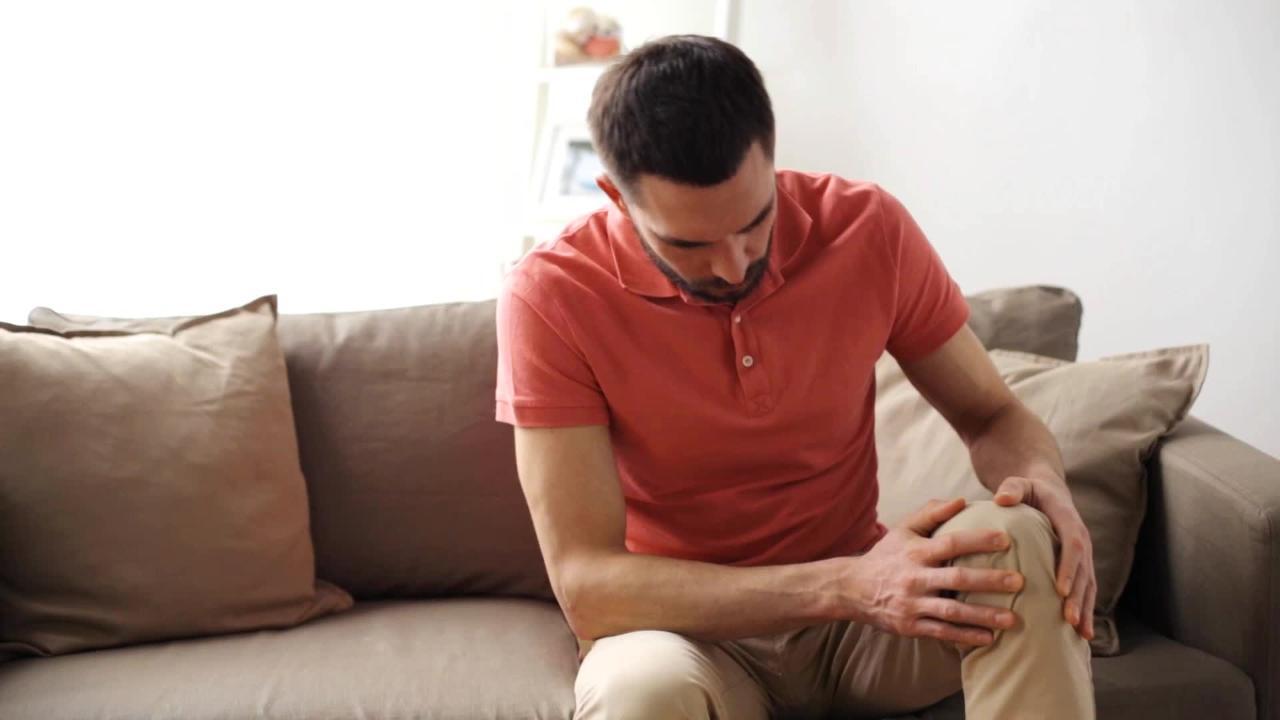





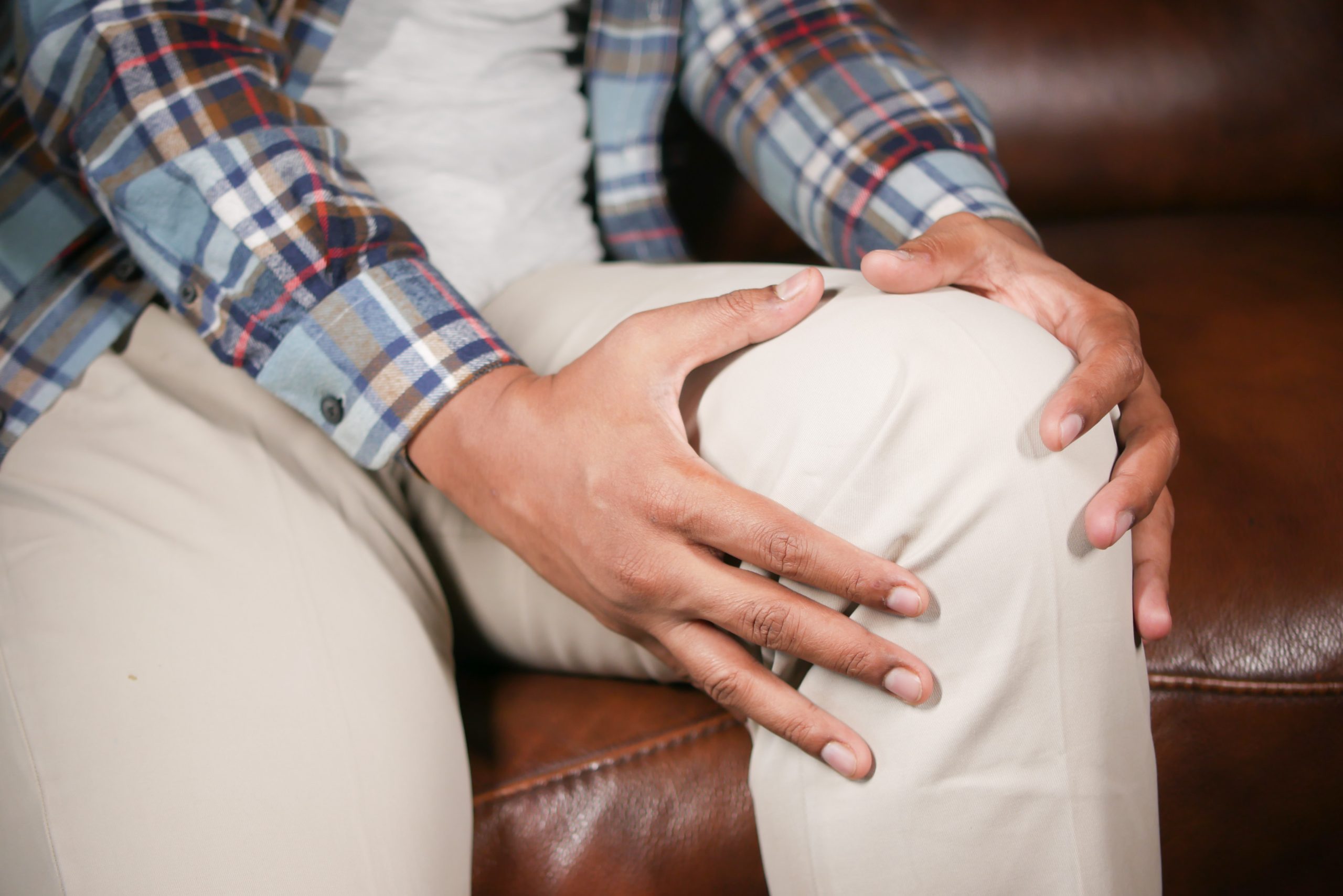
For years, many people believed arthritis pain worsens mainly during winter or on cold, rainy days. You’ve probably heard someone say, “My joints hurt — must be a cold front coming.” While temperature changes do affect joint discomfort, new research shows something surprising: weather is not the biggest trigger at all.
In reality, arthritis flares are far more closely connected to lifestyle patterns, inflammation levels, and daily habits than to the thermometer outside. And for millions of people living with joint pain, this misunderstanding delays proper treatment and keeps them stuck in recurring cycles of discomfort.
So what really triggers arthritis flares? And what signs should you never ignore? Here is what science now reveals.

1. The Real Trigger: Inflammation — Not the Weather
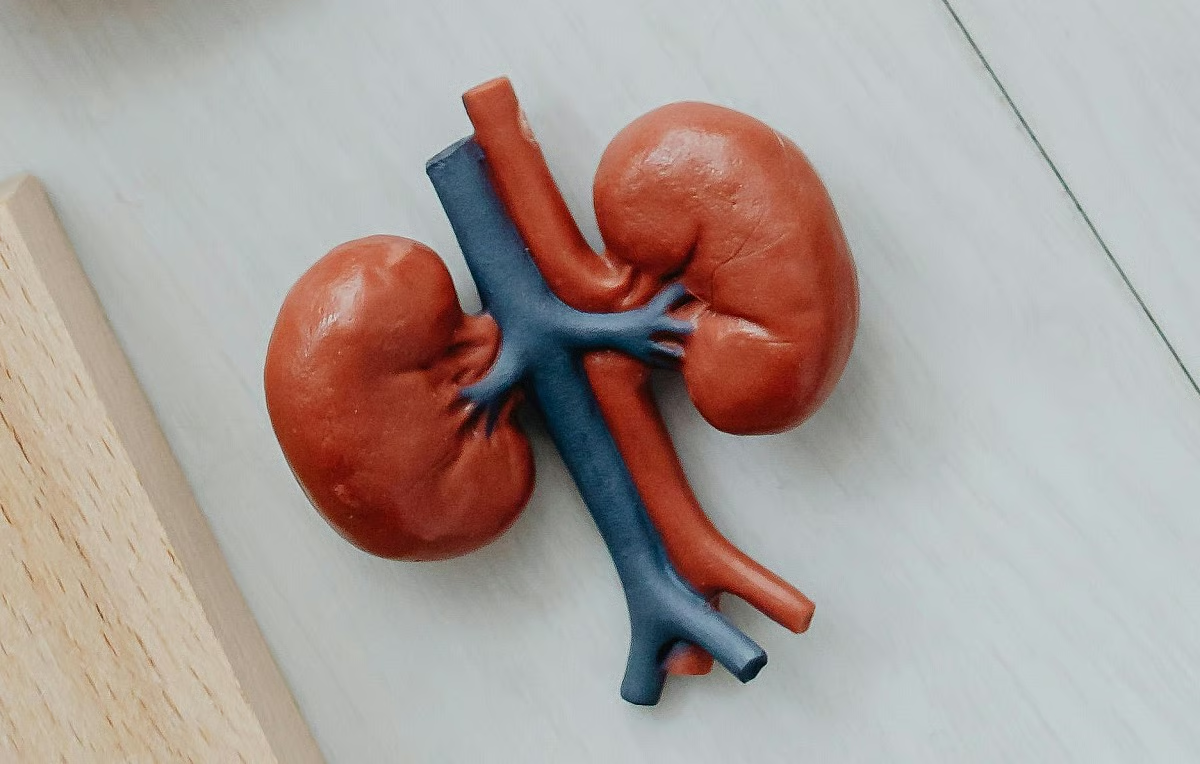
Arthritis, especially osteoarthritis and rheumatoid arthritis, is deeply connected to inflammation inside the body. While cold air can reduce circulation and stiffen joints, it is ultimately systemic inflammation that worsens pain and swelling.
This inflammation can be triggered by:
-
Poor sleep
-
Stress
-
Diets high in sugar, alcohol, or processed foods
-
Viral infections
-
Overuse or injury
-
Hormonal changes
-
Sedentary routines
In fact, medical studies show that inflammatory markers rise significantly after high-stress events, even when the weather is warm and stable. This means that someone under pressure at work or dealing with emotional stress may feel worse joint symptoms than someone walking in cold rain.
Cold weather may be uncomfortable, but inflammation is the real storm.
2. Sleep Deprivation: One of the Most Overlooked Causes of Joint Flares
You might think a bad night’s sleep simply makes you tired, but it actually triggers a full-body inflammatory response.
People with arthritis often say their symptoms worsen after:
-
Staying up late
-
Working night shifts
-
Interrupted sleep
-
Sleeping only 4–5 hours a night
Sleep regulates pain perception and the immune system. When sleep quality drops, pain sensitivity rises by as much as 30%, and inflammation spikes.
This is why some people wake up feeling stiff and sore—even when the weather is perfectly pleasant.
3. Emotional Stress Intensifies Arthritis More Than Cold Weather
Emotions affect the body far more than most people realize. Stress hormones like cortisol and adrenaline act as pro-inflammatory agents.
During stressful periods, arthritis patients commonly experience:
-
Swollen joints
-
Burning sensations
-
Fatigue
-
Reduced mobility
-
Sharp, unpredictable pain
Psychologists call this the mind–joint connection: when stress rises, pain responses become amplified.
Someone going through a stressful month at work may think the pain is “suddenly getting worse,” but the real trigger is internal — not external.
4. Diet: Certain Foods Provoke Sudden Inflammation
One weekend of unhealthy eating can trigger arthritis symptoms more than a whole week of cold weather.
Common dietary triggers include:
High-Inflammation Foods
-
Sugary snacks
-
Fried foods
-
Highly processed meals
-
Red meat in excess
-
Alcohol
-
Too much caffeine
-
White bread and refined carbs
Hidden Triggers
-
Artificial sweeteners
-
Excess salt
-
Gluten (in sensitive individuals)
-
Vegetable oils high in omega-6
For rheumatoid arthritis in particular, flare-ups often occur 24–48 hours after consuming inflammatory foods. Many people associate their pain with weather patterns, but the culprit is often what was on their plate.
5. Lack of Movement: Sedentary Hours Damage Joint Health
Cold weather does tend to make people stay indoors, but the issue is not the temperature — it’s the inactivity.
Sitting for long periods causes:
-
Stiffness
-
Swelling
-
Weaker muscles
-
Reduced lubrication around joints
-
Decreased circulation
This is why many office workers — regardless of weather — experience worse arthritis flares during long workdays.
Even brief movement helps. Just 5–7 minutes of joint-friendly stretching every hour significantly reduces stiffness and soreness.
Weather changes may feel uncomfortable, but a sedentary lifestyle is far more damaging.
6. Overuse or Sudden Activity Can Trigger Pain
When people feel good on warm days, they often overexert themselves:
-
Deep house cleaning
-
Long hikes
-
Heavy lifting
-
Intense exercise
-
Whole-day outings
But joints affected by arthritis have limited protective cartilage. Sudden heavy use can irritate the joint lining, causing:
-
Inflammation
-
Fluid buildup
-
Pain
-
Warmth
-
Swelling
Then, when pain returns, people blame the cool evening air — not the fact that they overdid it.
Balanced activity, not extremes, is the key to joint health.
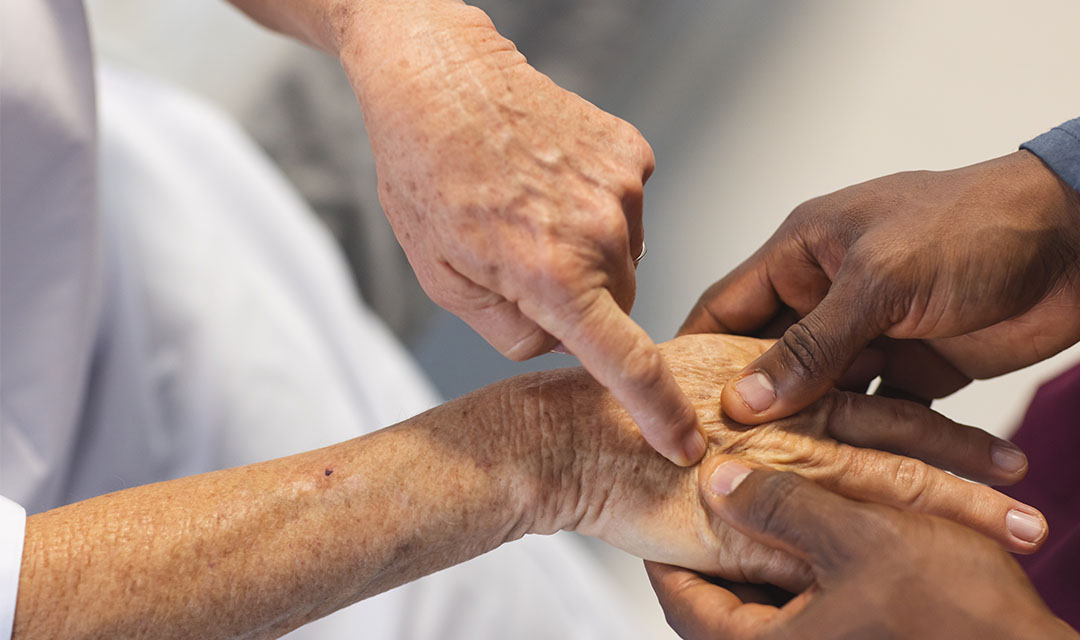
7. Hormonal Fluctuations — Especially in Women — Are a Major Trigger
Many women with arthritis report flares around:
-
Menstruation
-
Perimenopause
-
Menopause
-
Times of hormonal imbalance
Estrogen plays a major role in inflammation regulation. When levels drop, joints become more sensitive and pain perception increases.
This is why women often experience more severe or frequent flares than men, regardless of season or temperature.
8. Weather Doesn’t Cause Pain — It Amplifies Existing Issues
To be clear, weather does influence arthritis — but it is not the root cause. It acts more like a magnifier.
Cold temperatures can lead to:
-
Temporary stiffness
-
Reduced circulation
-
Slower joint fluid movement
Low barometric pressure can make tissues expand, increasing discomfort.
But these effects occur only when underlying inflammation already exists.
In other words:
Weather doesn’t create arthritis pain — it simply reveals what’s already happening inside your body.
How to Reduce Arthritis Flares — Regardless of Weather
Here are science-backed strategies:
1. Prioritize sleep quality
Aim for 7–8 hours nightly.
Establish a sleep schedule and limit screens before bed.
2. Reduce inflammatory foods
Increase omega-3-rich foods, vegetables, fruits, and lean proteins.
3. Manage daily stress
Try deep breathing, meditation, or light walks.
4. Move regularly
Even gentle stretching or short walks help maintain joint mobility.
5. Strengthen surrounding muscles
Stronger muscles reduce pressure on the joints.
6. Stay hydrated
Joint lubrication depends on adequate water intake.
7. Listen to your body
Avoid sudden intense activities that strain weakened joints.

Final Thought: Weather Isn’t the Enemy — Inflammation Is
Cold days might make you feel stiffer, but they are not the true cause of arthritis flares. The real triggers are hidden in sleep cycles, diet, stress, lifestyle patterns, and hormonal changes.
Understanding this is powerful.
Because once you identify the real sources of inflammation, you can take control of your symptoms — in any season.