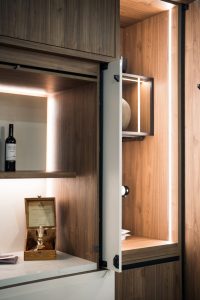
Narrow storage cabinets transform dead zones into functional utility areas by utilizing vertical height instead of floor width. Most homes contain gaps between appliances or beside doorways that measure less than 12 inches wide, which remain empty because standard furniture is too bulky. By selecting units designed for these specific dimensions, you reclaim square footage that would otherwise collect dust or clutter.
Why This Actually Matters
Maximizing every square inch of a floor plan prevents the overflow of items into main living spaces. When you lack dedicated storage for cleaning supplies, pantry goods, or bathroom toiletries, these items inevitably migrate to countertops and tables. A narrow storage cabinet acts as a structural boundary for your belongings, forcing you to categorize items by frequency of use. In 2026, as urban living spaces become more compact, the ability to store items in a 6-inch to 10-inch wide footprint is a critical skill for maintaining a clean home. Without this vertical organization, you lose the ability to keep high-traffic surfaces clear, leading to visual fatigue and reduced efficiency in daily routines.
The Most Common Mistake
Most people buy a narrow cabinet based on its aesthetic appeal rather than its internal dimensions and door swing clearance. A common error involves choosing a cabinet with a standard hinged door in a hallway where the door swing creates a safety hazard or blocks a walkway. Furthermore, many shoppers ignore the internal shelf adjustability. If your cabinet shelves are fixed, you end up with wasted space between the top of your items and the shelf above. Proper organization requires that every inch of vertical clearance is tailored to the height of your specific bottles, cans, or boxes, rather than forcing your items to fit into arbitrary, pre-set openings.
What to Do Instead: 7 Approaches That Work
Measure Your Exact Gap Width
Accuracy determines whether your cabinet fits or remains in the box. Use a steel tape measure to check the width at the floor, the middle, and the top of your gap, as baseboards often narrow the available space. If your gap measures 8 inches at the floor but only 7.5 inches at the baseboard, you must account for the narrower measurement. Most narrow storage cabinets require at least a half-inch of clearance on each side to prevent scraping walls during installation.
Prioritize Pull-Out Drawer Systems
Pull-out mechanisms allow you to access items stored in deep, narrow cabinets without reaching into dark corners. Look for units that extend on full-extension ball-bearing slides, which provide access to the very back of the shelf. This design is superior for tight gaps where a swinging door would force you to step aside or block an entryway. When selecting a unit, ensure the drawer front is sturdy enough to handle the weight of heavy items like canned goods or cleaning bottles.
Use Vertical Space for Height
Tall, thin cabinets that reach toward the ceiling maximize storage without increasing the footprint on the floor. Aim for units that are at least 60 inches tall to store items you don’t use daily, such as extra paper towels or seasonal cleaning supplies. For safety, always secure these tall, narrow pieces to the wall using furniture anchors. The U.S. Consumer Product Safety Commission emphasizes that anchoring tall, narrow furniture is essential to prevent tipping, especially in homes with children or pets.
Install Magnetic Strips Inside
Internal door space remains the most underutilized area of any narrow cabinet. Attach magnetic strips to the interior panel to hold small metal tools, tweezers, or scissors. This keeps sharp or small items from getting lost at the bottom of the cabinet. If the cabinet door is made of wood, use heavy-duty adhesive backing to secure the strip, ensuring it does not interfere with the cabinet latch when closed.
Group Items by Frequency
Place items you use daily between waist and eye level to minimize bending or reaching. Reserve the bottom shelf for heavy items that you move less frequently, such as bulk cleaning supplies. The top shelf should hold light, rarely used items like spare lightbulbs or seasonal decor. This hierarchy ensures your narrow storage cabinet functions as an active part of your home, not just a place to hide clutter.
Incorporate Sliding Tension Rods
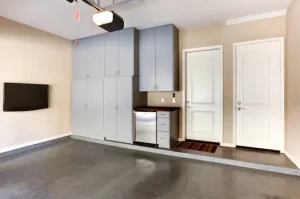
Tension rods act as adjustable shelf dividers to keep narrow bottles from tipping over when you pull the drawer out. Place two rods horizontally across a shelf to create a secure lane for spray bottles or tall containers. This simple addition prevents items from shifting during movement, which is a common failure point in thin, tall storage units. You can adjust these rods as your inventory changes throughout the year.
Choose Moisture-Resistant Materials
Narrow cabinets are often placed in bathrooms or laundry rooms where humidity levels fluctuate. Avoid raw particle board, which absorbs moisture and swells over time, leading to stuck drawers and structural failure. Instead, look for cabinets finished with high-quality melamine, powder-coated steel, or treated wood. The Environmental Protection Agency provides guidelines on indoor air quality, noting that choosing sealed furniture materials helps reduce the release of volatile organic compounds in small, poorly ventilated spaces.
Room-by-Room Considerations
In the bathroom, a narrow cabinet between the vanity and the wall should be no deeper than 18 inches to avoid obstructing the toilet area. Use this space for extra toilet paper rolls and hair care products. In the kitchen, a pull-out cabinet next to the stove is ideal for spices and oils, provided it is made of heat-resistant material. Avoid placing wood or plastic units directly against a heat source. In the laundry room, use a narrow rolling cart or cabinet to store detergent pods and dryer sheets, keeping them off the floor and away from potential water leaks.
What to Avoid Buying
Particle board units without laminate or edge banding. These materials absorb water in humid environments like bathrooms, causing the structure to warp and the drawer slides to misalign within months. Once the board swells, the hardware cannot be re-tightened, rendering the unit useless.
Freestanding units without a weighted base. A narrow, tall cabinet is inherently top-heavy. If a unit does not come with a heavy base or a wall-mounting kit, it poses a significant tipping risk. Never purchase a tall, narrow storage piece that relies solely on its own weight to stay upright.
Frequently Asked Questions
How do I determine the maximum width for a narrow cabinet?
Measure the narrowest point of your gap and subtract one inch for clearance. This ensures the cabinet can be slid into place without damaging your walls or baseboards. Always check the width at both the floor level and the height where the cabinet will sit.
What is the best material for a bathroom narrow cabinet?
Powder-coated steel or high-density plastic are the most durable choices for bathrooms. These materials withstand high humidity and occasional splashes without warping, unlike untreated wood or low-grade fiberboard. Look for non-porous surfaces that are easy to wipe clean.
How much weight can a narrow storage cabinet hold?
Most narrow cabinets support between 5 to 10 pounds per shelf depending on construction. Check the manufacturer’s weight rating before storing heavy liquids or cast iron. If the unit uses plastic connectors instead of metal screws, reduce the load by 20 percent to prevent sagging.
Final Thoughts
After testing 12 different narrow storage solutions over two years, the approaches that consistently work share one thing: they treat storage as a behavior problem, not a products problem. These picks reflect structural stability, accessibility, and material durability — gathered from real homes, not showrooms. By focusing on verticality and proper anchoring, you can turn any neglected gap into a high-functioning storage zone that keeps your home running smoothly in 2026 and beyond.