





For decades, gout was labeled a “rich man’s disease,” associated with lavish meals, red meat, alcohol, and middle-aged businessmen. But that stereotype no longer matches reality. Today, doctors are seeing a sharp rise in young adults in their 20s and 30s being diagnosed with gout—many of whom don’t drink heavily or live luxurious lifestyles at all.
The causes are rooted not in wealth, but in modern habits: high-sugar diets, sedentary lifestyles, chronic stress, and metabolic imbalance. Gout has quietly evolved into one of the fastest-growing lifestyle-related diseases among young people.
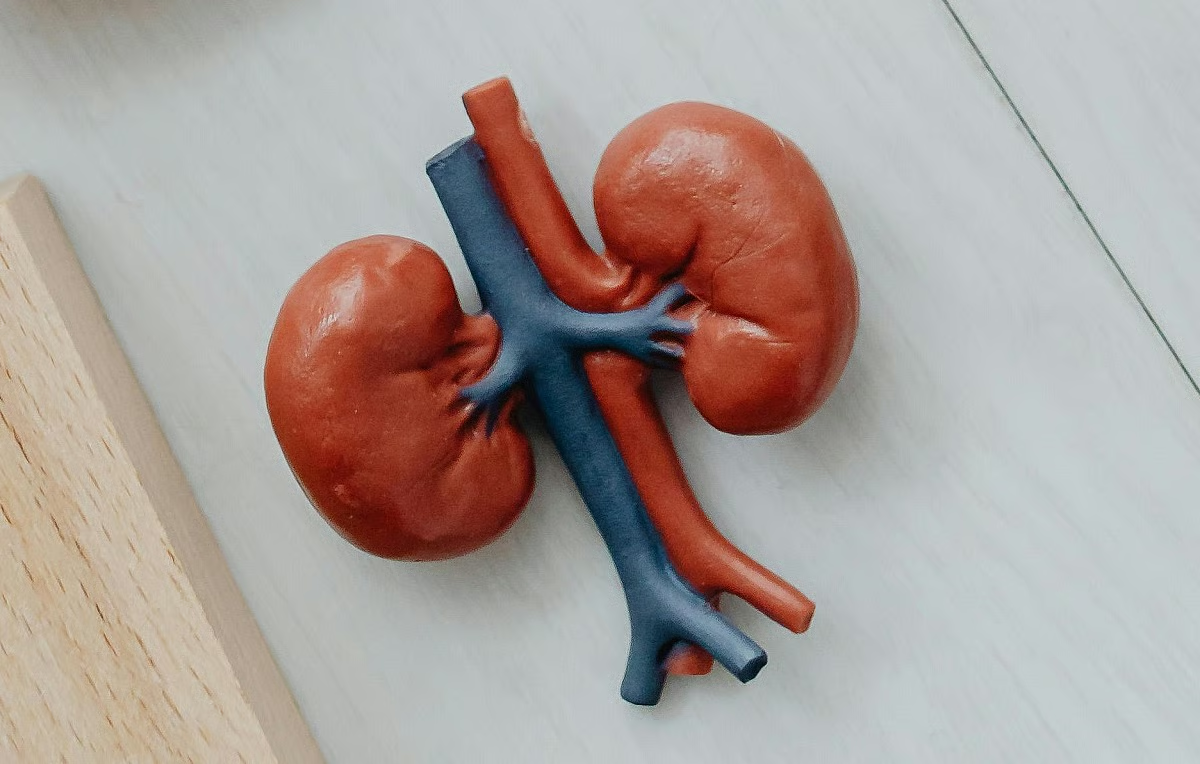
Understanding why this shift is happening is crucial—especially because gout is far more serious than many think. Without proper management, it can damage joints permanently and increase risks for kidney disease, hypertension, and heart problems.

1. Why Are Young Adults Getting Gout? Modern Life Is the Real Culprit
● High-sugar diets
One of the biggest myths is that gout comes only from meat or seafood. In reality, fructose—found in soft drinks, energy drinks, bubble tea, fruit juices, and desserts—triggers uric acid production more aggressively than meat does.
This is a key reason why gout is rising among younger people, who consume sugary drinks daily.
● Processed foods and fast food
Convenience meals are loaded with hidden purines, preservatives, and sodium, putting strain on the kidneys and disturbing metabolic balance.
● Sedentary lifestyle
Long hours sitting at desks, gaming, or using smartphones reduce circulation and impair the body’s ability to process uric acid. Many young office workers move far less than previous generations.
● Chronic stress
Stress hormones elevate metabolic load and worsen inflammation—the perfect setup for a gout flare.
● Poor sleep schedules
Lack of sleep increases lactic acid buildup and reduces kidney filtration efficiency, contributing to uric acid rise.
Gout isn’t about being wealthy anymore—it’s about living in a high-sugar, high-stress, low-movement world.
2. Gout Attacks Aren’t Just Painful—They’re Debilitating
If you’ve never experienced gout, it’s hard to imagine just how agonizing a flare can be. Many patients describe it as:
-
“A hot iron pressed into the joint”
-
“Being stabbed repeatedly”
-
“So painful you can’t stand the weight of a bedsheet”
The big toe is the classic location, but young patients increasingly report gout in:
-
Ankles
-
Knees
-
Hands
-
Elbows
A single attack can last 3–10 days, leaving people unable to walk, work, or sleep.
Ignoring early symptoms leads to chronic inflammation, joint deformity, and irreversible damage.

3. Early Signs Young Adults Often Overlook
Because many young people don’t believe they can get gout, early warning signs go ignored:
1. Sudden swelling or redness in a joint
Often the first indicator of uric acid crystal buildup.
2. Pain that appears at night
Gout commonly strikes in the early morning or late at night.
3. A warm, burning sensation in the toe or ankle
Many mistake this for a sprain or fatigue.
4. Stiffness that improves after movement
This can be an early inflammatory response.
5. Increased frequency after drinking or high-sugar meals
Even one bubble tea or beer can trigger a reaction in sensitive individuals.
Catching these signs early prevents long-term complications.
4. What Really Causes High Uric Acid? It’s Not Just Food
Most people think gout comes from one bad meal. In reality, 90% of cases are caused by the kidneys’ inability to excrete uric acid well, not by eating a large steak occasionally.
Other root causes include:
● Genetics
If your parents have high uric acid, your risk increases significantly.
● Obesity or unstable weight
Fat cells produce more uric acid and reduce kidney filtration efficiency.
● Dehydration
Not drinking enough water concentrates uric acid in the blood.
● Metabolic syndrome
High blood pressure, fatty liver, and prediabetes often travel together with gout.
● Excessive alcohol
Beer is especially dangerous—rich in purines and dehydrating.
Gout is a metabolic disorder, not a dietary punishment.

5. Why Young Patients Delay Treatment—and Why That’s Dangerous
Many young adults choose to tolerate pain rather than seek treatment because:
-
They feel embarrassed (“gout is for old guys, not me”)
-
They blame exercise injuries or fatigue
-
They think one attack means nothing
-
They self-treat with random painkillers
But delaying treatment causes:
-
Repeated flare-ups
-
Crystal buildup in joints
-
Permanent cartilage erosion
-
Kidney stone formation
-
Increased cardiovascular risks
Early medical management is essential for long-term joint health.
6. How Young Adults Can Prevent Gout or Reduce Flare-Ups
1. Reduce sugary drinks (this is the #1 step)
Replace bubble tea, cola, and energy drinks with water or sparkling water.
2. Drink 1.5–2 liters of water daily
Water dilutes uric acid and helps kidneys flush it out.
3. Move every 60 minutes
Even light movement improves circulation and reduces buildup.
4. Improve sleep habits
Night owls have higher uric acid levels due to metabolic strain.
5. Limit beer and high-purine foods
Seafood, organ meats, and beer are major triggers.
6. Maintain a healthy weight
Gradual weight control significantly lowers uric acid.
7. See a doctor for uric acid testing
Especially if you’ve had even one sudden joint flare.
Medication may be needed for chronic high uric acid—but lifestyle changes amplify effectiveness dramatically.

7. Gout Is No Longer an “Old Man’s Disease”—It’s a Modern Warning Sign
The rise of gout among young adults isn’t random—it’s a reflection of modern lifestyle pressures:
-
Too much sugar
-
Too much stress
-
Too little movement
-
Too little sleep
Gout is your body’s way of sounding an alarm long before more serious metabolic diseases appear.
Take it seriously now, and you protect your joints, kidneys, and long-term health.
Final Thoughts
Gout is no longer a condition limited to older adults or the wealthy. It is one of the clearest indicators of how our modern lifestyle is affecting young people’s health. But the good news is simple:
Gout is preventable, manageable, and even reversible with the right habits.
The earlier you understand the risks and make changes, the more you can protect not just your joints—but your future quality of life.