




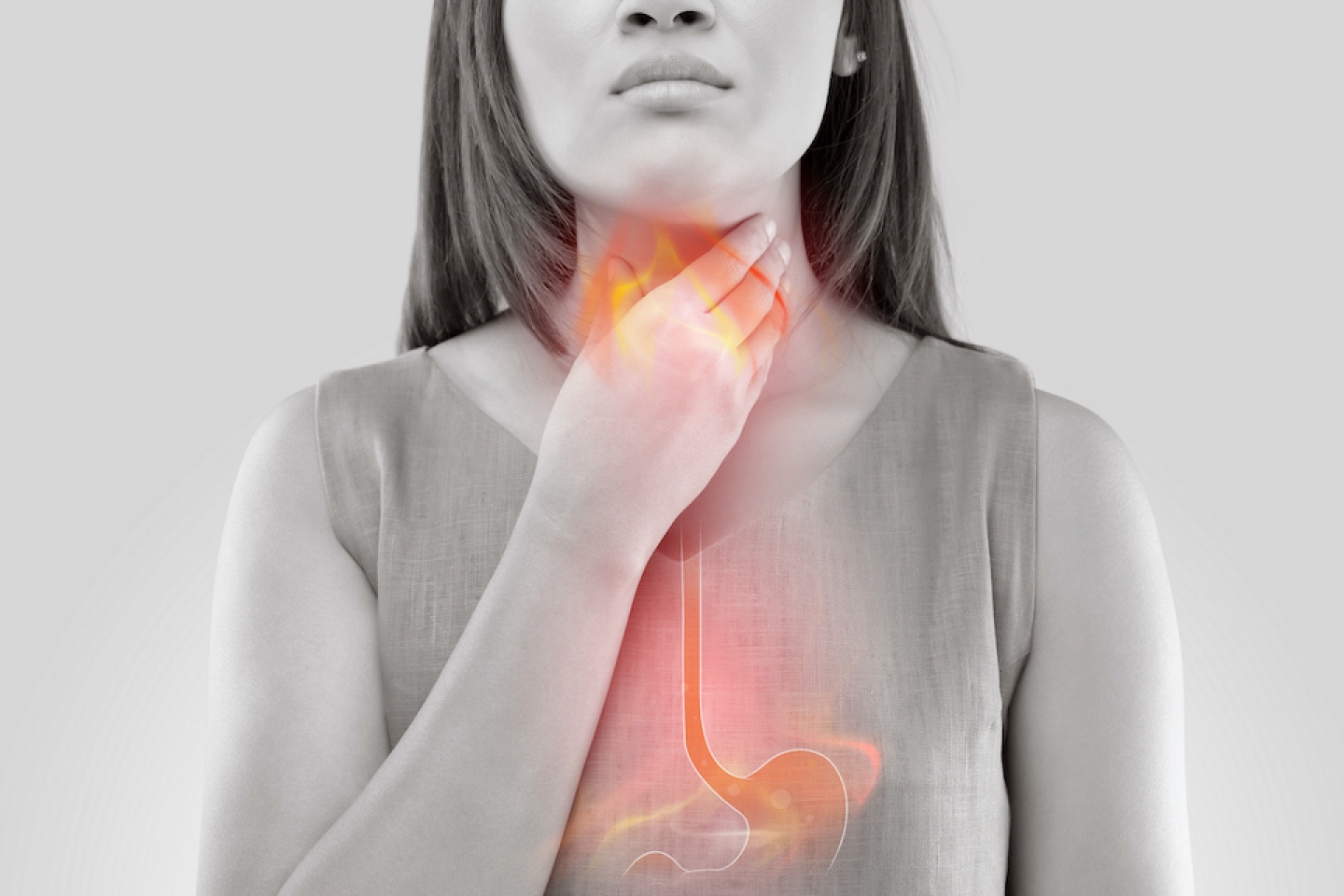
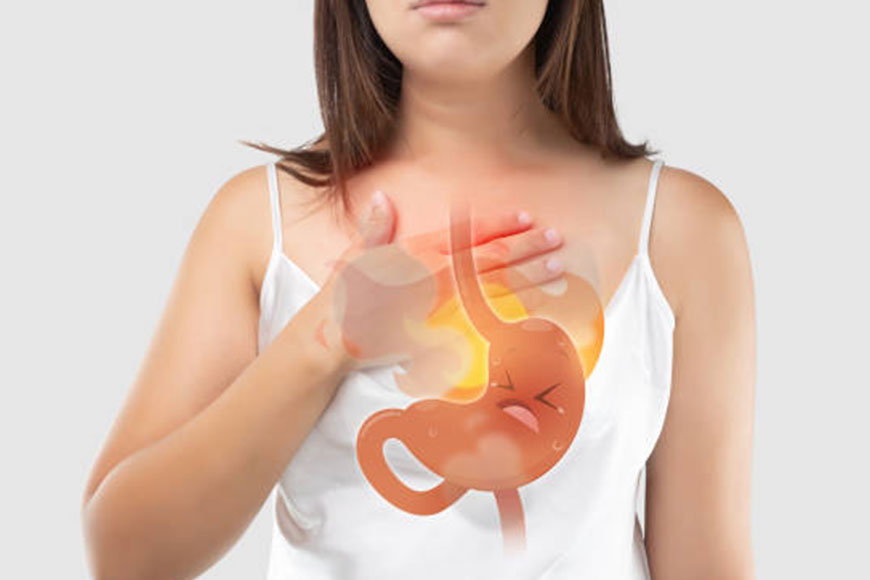
Many people think gastroesophageal reflux disease (GERD) is “just heartburn.” Take an antacid, drink some warm water, and everything will be fine—right?
Not exactly. Modern clinical research shows that chronic GERD does far more than irritate your throat. If left untreated, it can trigger breathing issues, disrupt sleep, damage the esophagus, and even create symptoms that mimic heart disease or worsen existing heart conditions.
GERD isn’t simply uncomfortable—it’s a long-term disease that can impact your entire body.
1. Why GERD Happens in the First Place
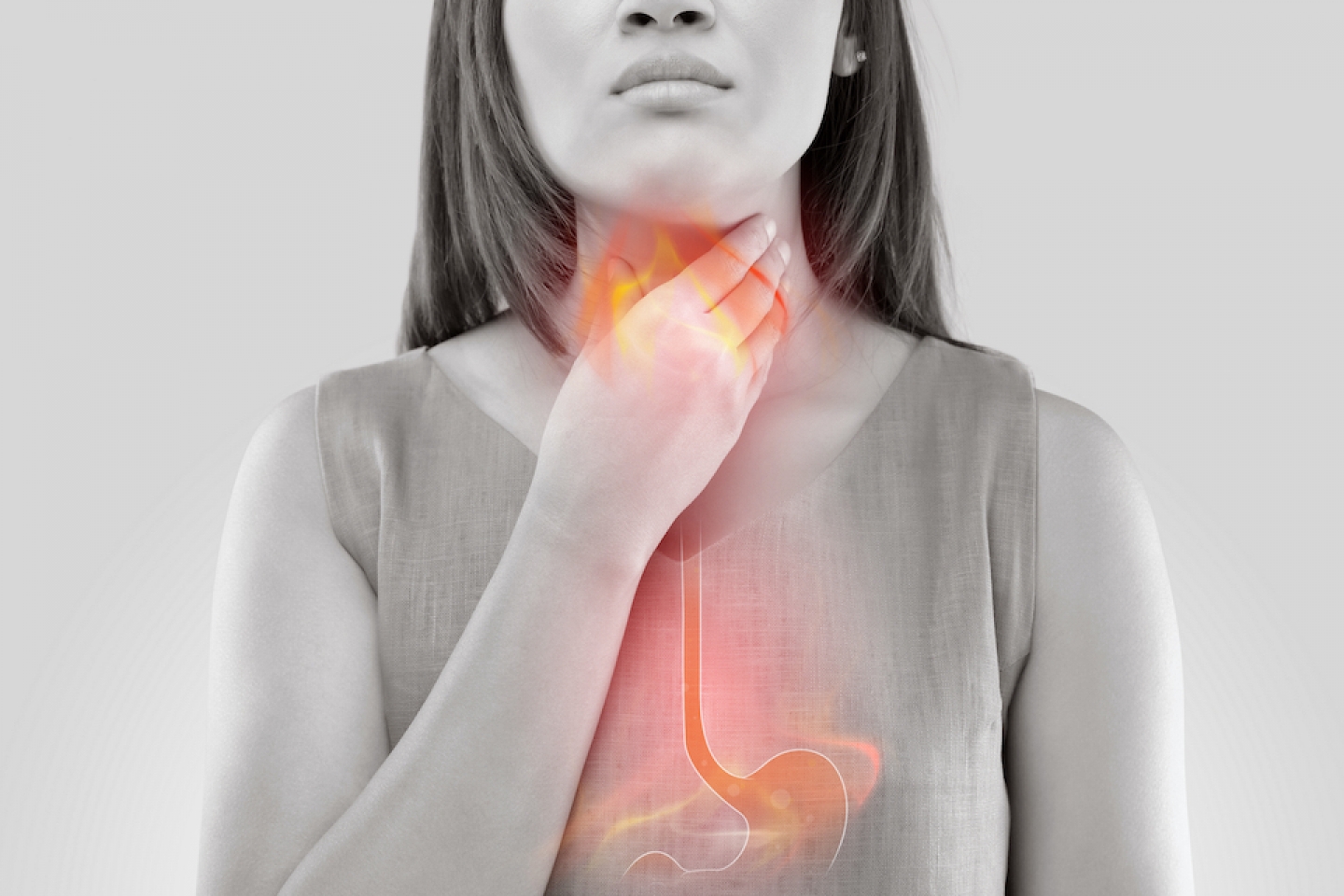
GERD occurs when stomach acid repeatedly flows back into the esophagus due to a weak or overly relaxed lower esophageal sphincter (LES). Over time, this acid exposure creates inflammation, erosion, and increased sensitivity.
Common triggers include:
-
Overeating or eating too fast
-
High-fat or spicy foods
-
Coffee, alcohol, or carbonated drinks
-
Obesity or weight gain
-
Smoking
-
Lying down soon after meals
-
Stress and irregular sleep
Many of these habits are common in modern lifestyles, which explains why GERD rates continue to rise globally.
2. GERD Symptoms Are Not Always Obvious
Heartburn is just one symptom. Many people with chronic reflux never feel it. Instead, they experience:
-
Chronic cough or throat irritation
-
Hoarseness or voice changes
-
Bitter taste or sour fluid in the mouth
-
Chest tightness
-
Difficulty swallowing
-
Asthma-like breathing problems
-
Persistent belching
Because symptoms vary so widely, many people go years without a diagnosis.
3. GERD Can Affect the Heart—or at Least Feel Like It Does
This is the most surprising part: GERD can cause symptoms that resemble heart disease, leading many people to panic and rush to the ER.
How GERD interacts with the heart:
(1) Chest Pain That Mimics a Heart Attack
Acid reflux can trigger esophageal spasms, which create intense chest pain that feels strikingly similar to cardiac pain.
Many patients believe they’re having a heart attack when it’s actually severe reflux.
(2) Vagus Nerve Irritation
The esophagus and heart share the vagus nerve, which regulates heart rate and digestion.
Acid irritation can overstimulate this nerve, leading to:
-
Irregular heartbeat sensations
-
Palpitations
-
Anxiety-like symptoms
While these symptoms don’t usually cause permanent heart damage, they can be frightening and disruptive.
(3) Sleep Disruptions That Stress the Cardiovascular System
Nighttime reflux episodes reduce oxygen levels, disrupt sleep cycles, and increase stress hormones—factors known to increase cardiovascular risk over time.
(4) Worsening Symptoms for Those With Existing Heart Disease
For people with heart problems, chronic inflammation and poor sleep from GERD can worsen their condition.
This makes managing reflux even more important.
4. When GERD Becomes Dangerous
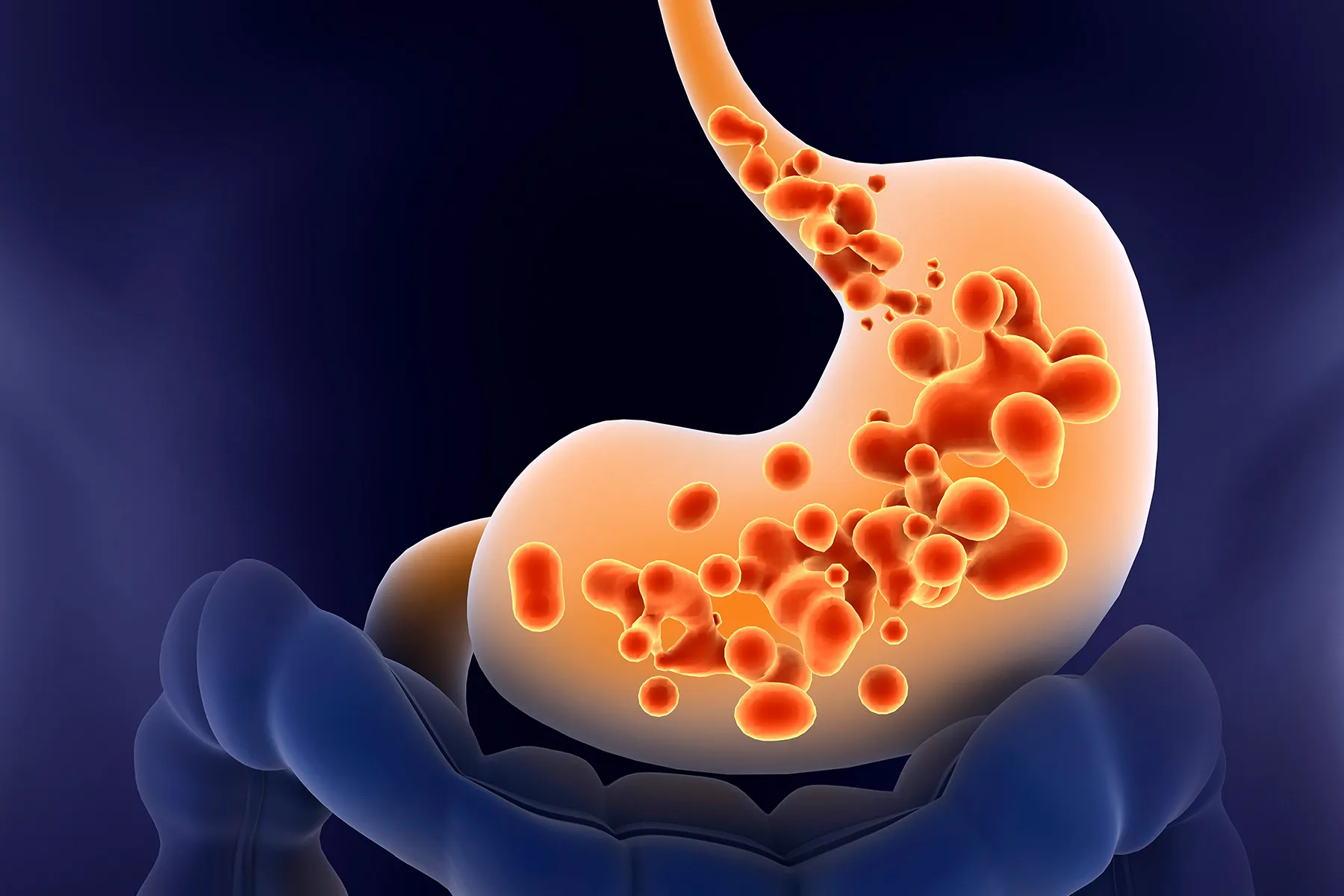
Untreated GERD can lead to:
• Esophagitis
Inflammation that causes pain, bleeding, or ulcers.
• Barrett’s Esophagus
A precancerous condition where the esophagus changes structure due to long-term acid exposure.
• Esophageal Cancer
Although rare, the risk increases significantly if Barrett’s is present.
• Breathing Issues
Reflux can trigger chronic cough, worsening asthma, or recurrent pneumonia from micro-aspiration.
• Severe Sleep Disturbances
Nighttime reflux is linked to fatigue, mood swings, and reduced productivity.
GERD is far from harmless.
5. How to Tell Whether It’s GERD or a Heart Problem
Chest discomfort is never something to ignore.
However, GERD-related pain often:
-
Appears after eating
-
Is relieved by antacids
-
Comes with belching or sour taste
-
Worsens when lying down
Heart-related pain usually:
-
Occurs with physical exertion
-
Spreads to the arm, jaw, or back
-
Comes with sweating or shortness of breath
If you’re ever unsure, it’s safer to seek medical evaluation immediately.
6. How to Manage and Prevent GERD
Small lifestyle changes make a big difference:
Daily habits
-
Eat smaller meals
-
Avoid lying down for 2–3 hours after eating
-
Reduce coffee, alcohol, and carbonated drinks
-
Maintain a healthy weight
-
Elevate the head of your bed
-
Avoid smoking
Foods to limit
-
Spicy foods
-
Fried foods
-
Citrus and tomato-based foods
-
Chocolate
-
Peppermint
Medical treatments
-
Antacids (short-term relief)
-
H2 blockers
-
Proton pump inhibitors (PPIs)
-
Esophageal function tests if symptoms persist
-
Surgery in severe, medication-resistant cases
Final Thoughts
GERD may start as a mild annoyance, but its long-term effects are anything but mild. Chest pain, breathing problems, sleep disruption, and even heart-related symptoms can all trace back to untreated reflux.
If you experience frequent symptoms—especially chest discomfort—don’t ignore them.
Early treatment can protect your esophagus, your sleep, and even your heart