






We all dismiss little aches and odd sensations — a twinge in the knee, a foggy morning, a nagging heartburn — assuming they’re temporary or trivial. Yet small symptoms are often the body’s first language, whispering that something’s off before it becomes serious. Listening early can mean simpler fixes, faster recovery, and fewer long-term consequences.
This article highlights common “minor” signals people ignore, explains what they might mean, and offers practical steps for when to watch, when to act, and when to see a professional.

1. Persistent Fatigue: More Than Just Tired
Feeling tired after a late night is normal. Constant, unrefreshing fatigue that lingers despite rest is not.
What it could indicate:
Chronic fatigue can hint at sleep disorders (sleep apnea), thyroid dysfunction, anemia, vitamin deficiencies (B12, vitamin D), chronic infections, or mental health issues like depression and anxiety.
Why it matters:
Energy fuels both daily life and healing. Left unaddressed, persistent fatigue undermines productivity, mood, and immunity.
What to do:
Track sleep quality, diet, and daily energy patterns for two weeks. If you still hit persistent lows despite adequate sleep and nutrition, book a primary care check — start with basic blood work and a sleep assessment.
Expert note:
Dr. Maya Singh, an internal medicine physician, says, “Fatigue is common but never meaningless. It’s a clue that something in your system needs attention.”
2. Subtle Cognitive Changes: The Fog That Won’t Lift
Small memory slips, difficulty concentrating, or slower thinking are often blamed on “busy lives.” But when these changes affect daily function, they deserve scrutiny.
What it could indicate:
Causes range from stress and poor sleep to medication side effects, thyroid issues, nutrient deficiencies, or early signs of neuroinflammatory conditions.
Why it matters:
Cognitive changes influence work performance and safety (e.g., driving). Early identification can prevent progression and restore function.
What to do:
Note when symptoms started and any new medications or stressors. Try sleep hygiene and consistent meals for a month. If problems persist or worsen, consult a clinician for cognitive screening and metabolic testing.
3. Unexplained Weight Change: Gaining or Losing Without Trying
Weight drift—up or down—without changing diet or activity is an important signal.
What it could indicate:
Sudden weight loss may suggest thyroid disease, digestive malabsorption, chronic infection, or malignancy. Unexplained weight gain can be linked to hypothyroidism, fluid retention from cardiac or renal issues, medications, or hormonal shifts.
Why it matters:
Body weight reflects complex hormonal and metabolic balance. Ignoring unusual trends delays diagnosis.
What to do:
Track weight weekly and note other symptoms (appetite changes, bowel habits). If you lose or gain more than 5% of body weight over a few months unintentionally, seek medical evaluation.
4. Changes in Bowel or Bladder Habits
Minor changes — occasional constipation, loose stool, increased frequency, or new urgency — often pass. Persistent changes are not trivial.
What it could indicate:
Possible causes include infections, food intolerances, inflammatory bowel disease, colorectal cancer (especially for blood in stool or persistent change), urinary tract issues, or pelvic floor dysfunction.
Why it matters:
Early detection of gastrointestinal or urinary conditions improves treatment options and outcomes.
What to do:
Note duration, blood presence, pain, or systemic signs like fever. Persistent changes lasting more than two weeks warrant a primary care visit and possibly stool tests, imaging, or specialist referral.

5. Unusual Pain Patterns: Beyond “Just an Aches”
Localized pain that’s new, progressively worse, or associated with swelling, redness, or loss of function needs attention. But even recurrent mild joint or chest discomfort deserves a check.
What it could indicate:
Joint pain may be early arthritis or inflammatory conditions. Intermittent chest tightness could be reflux — or it could be angina. Sharp abdominal pain might be gallbladder or kidney-related.
Why it matters:
Pain is often the body’s alarm. Early evaluation prevents deterioration and avoids emergency scenarios.
What to do:
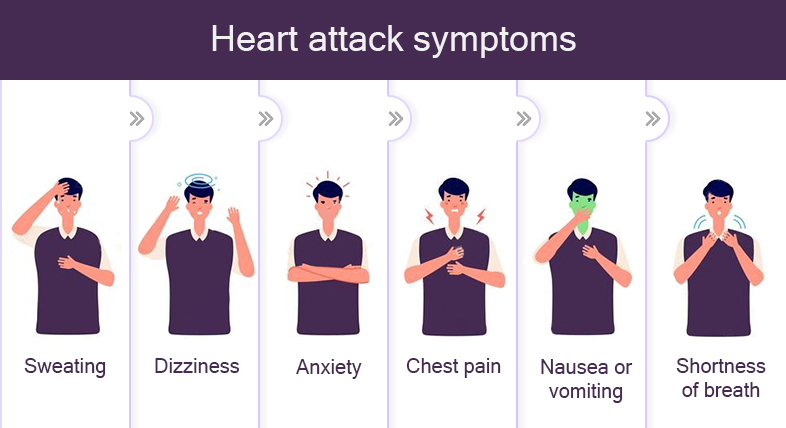
Pay attention to triggers (after eating, exercise, cold exposure). Seek urgent care for chest pain, severe shortness of breath, sudden weakness, or severe abdominal pain.
6. Skin and Mucosal Changes: Rashes, Spots, and Sores
A single pimple is normal; a new, non-healing sore, an unexplained rash, or new pigmented spot is not.
What it could indicate:
Skin changes can signal allergies, autoimmune disease, infections, or malignant changes such as skin cancer. Oral ulcers may reflect nutritional deficiencies, autoimmune conditions, or gastrointestinal disease.
Why it matters:
The skin often mirrors internal health. Early biopsy or testing can be life-saving for malignant or systemic conditions.
What to do:
Photograph evolving lesions and note symptoms. Consult a dermatologist for persistent or changing skin findings.
7. Mood and Emotional Shifts: When “Off” Becomes Persistent
Feeling down or anxious occasionally is human. When mood changes persist, intensify, or affect daily life, they’re a medical concern.
What it could indicate:
Depression, anxiety disorders, hormonal imbalances, medication effects, or chronic medical illness.
Why it matters:
Emotional health affects sleep, relationships, job performance, and physical illness recovery.
What to do:
Talk with a trusted person and consider brief screening tools (PHQ-9 for depression). Early counseling, lifestyle adjustment, or treatment can prevent escalation.

Conclusion: Listen, Document, and Act
Small symptoms are the body’s early warnings — not nuisances to ignore. The pattern matters more than any single sign: persistence, progression, clustering with other symptoms, or impact on daily life are red flags.
Practical checklist:
-
Track symptoms for 2–4 weeks (timing, triggers, severity).
-
Document new medicines, stressors, or lifestyle changes.
-
Seek care when symptoms persist, worsen, or interfere with function.
-
Advocate for yourself: ask for blood tests, imaging, or specialist referrals if you feel unheard.
As Dr. Singh advises, “Early listening beats late fixing. Small signals give you the chance to correct course before problems become crises.”
Take the whispers seriously. Your body has been warning you — paying attention now may protect your health tomorrow.