





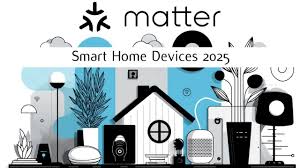
The Smart Home Device Buying Guide for US Consumers is your essential roadmap for selecting the best devices in 2025. As smart homes evolve, choosing compatible, efficient, and secure devices is critical. Many US consumers struggle with fragmented ecosystems, asking: “Which devices truly work together?” This guide will show you how to future-proof your investment, focusing on Matter interoperability, security, energy savings, and convenience. Whether you are deciding between Amazon Alexa, Google Home, or Apple HomeKit, this guide provides clear, actionable strategies for building a unified, intelligent home system.
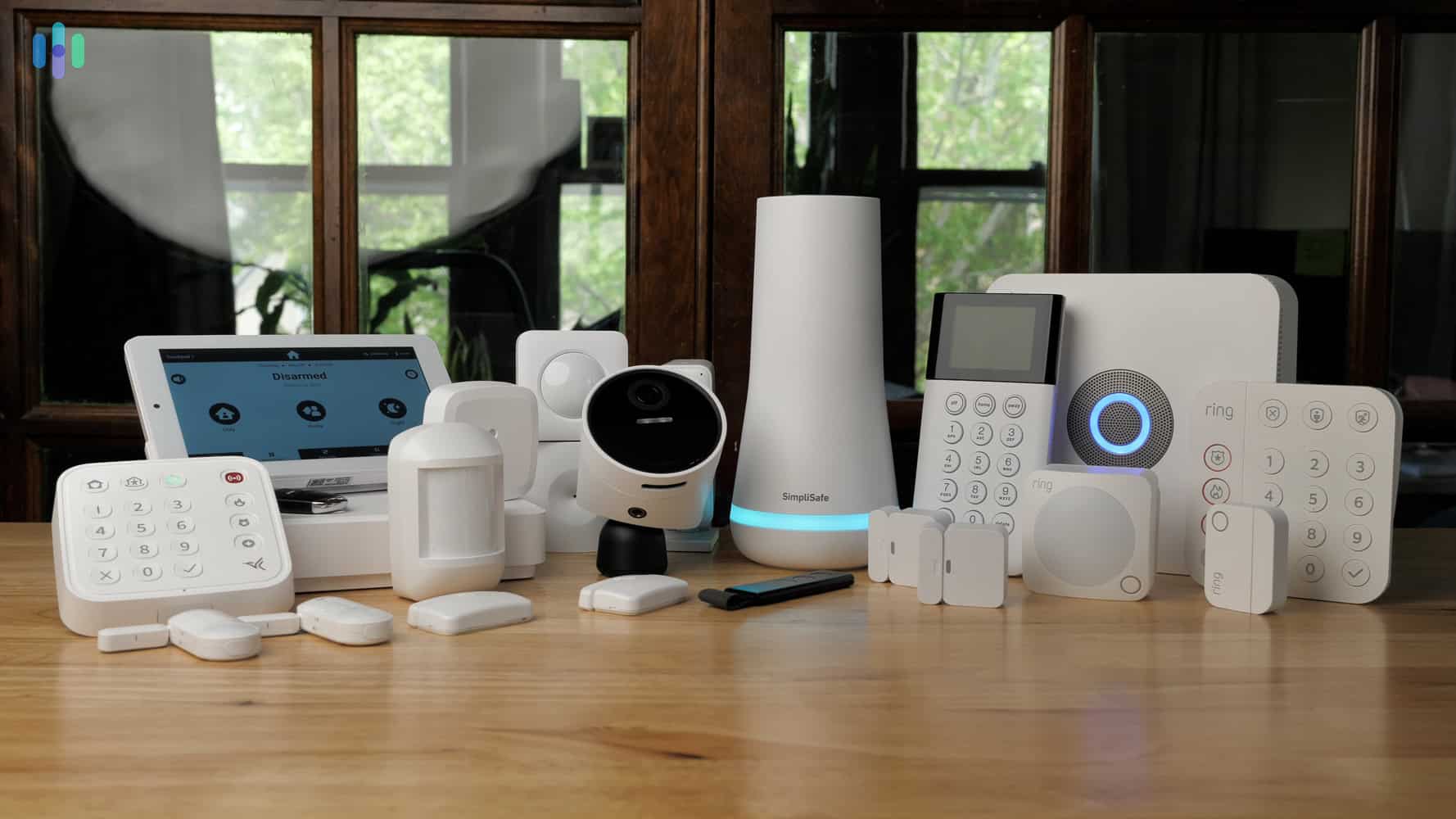
Understanding the Smart Home Device Buying Guide for US Consumers
The Smart Home Device Buying Guide for US Consumers emphasizes Matter compliance, interoperability, and long-term ROI. Here’s how to establish a solid foundation:
The Smart Hub: Centralizing Your Smart Home
Every smart home requires a hub for automation and communication. The Matter standard ensures devices from Apple, Google, Amazon, and Samsung work seamlessly together.
Primary Controller Selection: Choose a hub based on your ecosystem: Apple TV/HomePod Mini, Amazon Echo, or Google Nest Hub.
Security and Privacy: Digital Safety in Smart Homes
US consumers must prioritize privacy:
-
Data Management: Devices that process data locally reduce cloud vulnerability.
-
Network Infrastructure: Invest in Wi-Fi 6/7 mesh networks for stability and security.

5 Key Device Categories in the Smart Home Device Buying Guide for US Consumers
1. Smart Security and Surveillance (Highest Safety ROI)
-
Video Doorbells: Two-way talk, local storage (MicroSD).
-
Smart Locks: Biometric or keypad access, Matter-enabled.
2. Smart Climate and Energy Control (Highest Energy ROI)
-
Smart Thermostats: Learn patterns, integrate with utility programs.
-
Smart Plugs: Automate “dumb” devices, monitor energy usage.
3. Smart Lighting Systems (Convenience & Ambiance)
-
Smart Switches vs. Bulbs: Switches preferred in high-traffic areas; bulbs for ambiance.
-
Routine Automation: Simulate occupancy or adjust brightness automatically.
4. Media and Entertainment Devices
-
Smart Displays: Visual hub for security, thermostat, and routines.
-
Soundbars with Voice Assistants: Simplify voice commands throughout the home.
5. Kitchen and Health Devices
-
Smart Scales & Health Trackers: Integrate health data with Apple Health or Google Fit.
-
Smart Kitchen Appliances: Purchase only if automation provides tangible convenience.

How to Use the Smart Home Device Buying Guide for US Consumers
Step 1: Prioritize Matter-Compatible Devices
Before considering price or features, verify Matter compatibility or native integration with your ecosystem.
Step 2: Focus on High-ROI Devices
Start with a smart thermostat and video doorbell for energy savings and security.
Step 3: Audit Your Wi-Fi Network
Ensure your network can handle multiple devices. Each new smart gadget consumes bandwidth and impacts performance.

Frequently Asked Questions (FAQ)
Q: What mistakes do US consumers make with smart devices?
A: Buying without checking interoperability leads to multiple apps controlling separate devices, defeating the “smart” purpose.
Q: Should I wait for the next generation of Matter devices?
A: No. Matter 1.0 is stable for core devices. Choose devices with OTA updates for future-proofing.
Q: Do all smart devices require cloud subscriptions?
A: No. Prioritize devices with local storage options like MicroSD cards. Subscriptions are only needed for premium features.
Compliance & Disclaimer
This Smart Home Device Buying Guide for US Consumers is informational, reflecting 2025 trends in Matter, interoperability, and US market preferences. Consult certified installers or IT professionals for complex setups.
External References:
-
Matter Smart Home Standard
-
Consumer Reports – Smart Home Devices